
If you're considering career training in aircraft maintenance, understanding the A&P license requirements is your first crucial step. The Airframe and Powerplant (A&P) certification is the industry-standard credential that allows aviation mechanics to inspect, repair, and maintain aircraft legally under Federal Aviation Administration (FAA) regulations.
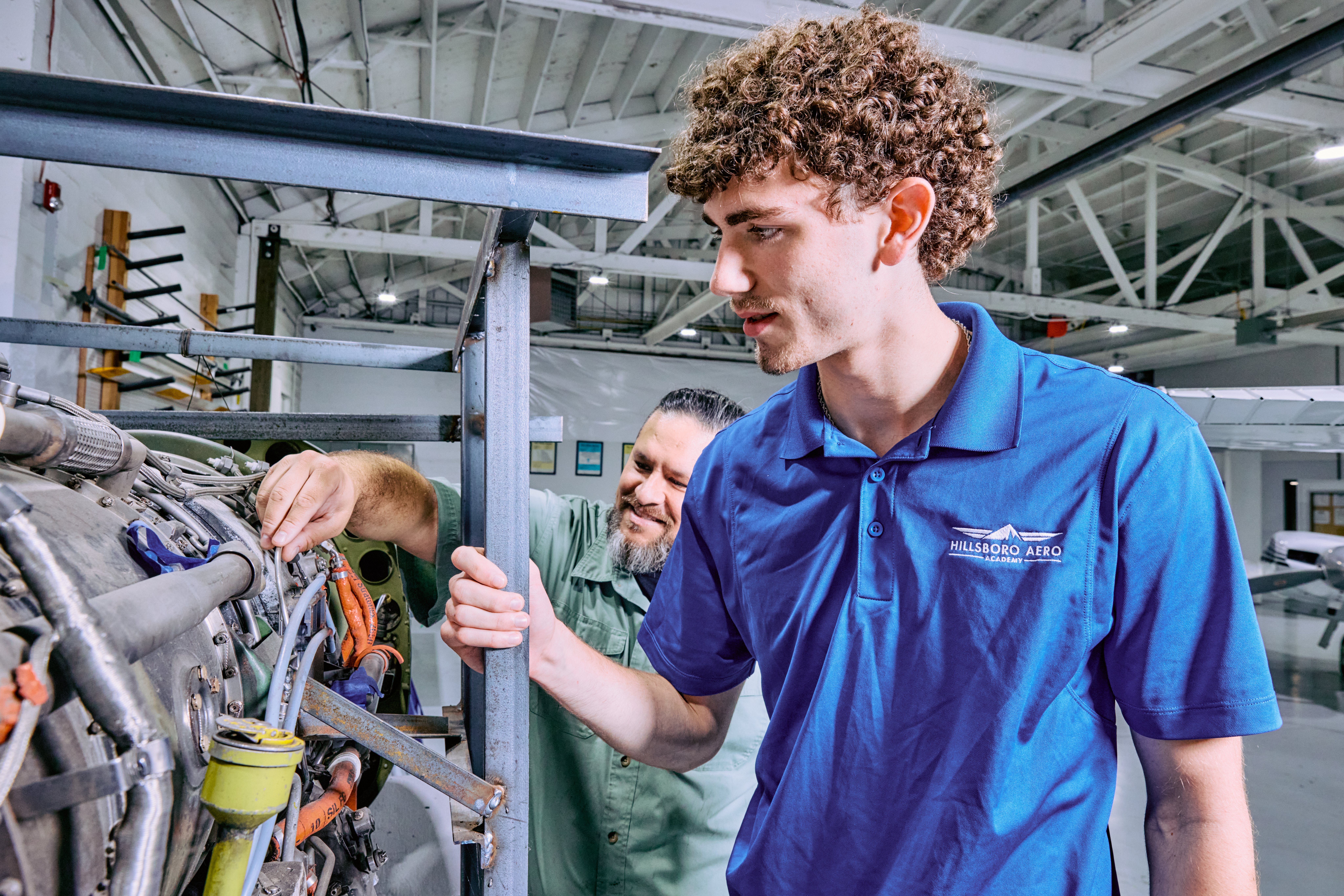
This comprehensive certification may open doors to numerous opportunities within the aviation industry, from commercial airlines to private repair facilities. The demand for qualified A&P mechanics continues to grow, making this a favorable career training path for those passionate about aviation.
At Hillsboro Aero Academy (HAA), we offer comprehensive training in both pilot training and aviation maintenance, recognizing the essential connection between pilots and maintenance professionals in the aviation ecosystem.
Basic Eligibility Requirements for A&P Certification
Before diving into training options, it's important to understand the fundamental requirements set by the Federal Aviation Administration for A&P certification:
Age and Language Requirements
You must be at least 18 years old to qualify for A&P certification. Additionally, you must be able to read, write, speak, and understand English. This requirement is non-negotiable as it relates directly to safety—mechanics must be able to comprehend technical manuals, communicate effectively with colleagues, and document maintenance accurately.
Educational Background
While the FAA doesn't specifically mandate a high school diploma for certification eligibility, HAA requires it for enrollment. Strong foundational knowledge in mathematics, physics, and technical subjects provides a significant advantage when pursuing A&P training.
Some students choose to further prepare by taking courses in:
- Basic electronics
- Physics
- Mathematics
- Technical drawing
- Computer skills
These subjects build a solid foundation for the technical concepts you'll encounter during A&P training.
How the AMP Program Prepares You for the A&P License
The Airframe and Powerplant (A&P) license is the essential credential for anyone beginning career training in aircraft maintenance. Issued by the Federal Aviation Administration (FAA), this certificate demonstrates that a technician has the training and qualifications to maintain, repair, and inspect aircraft to the highest standards of safety. The path to this license begins with meeting the FAA’s training and experience requirements—and that’s where our Aviation Maintenance Professional (AMP) Program comes in.
Meeting FAA Training Standards
The FAA requires a defined number of instructional hours in three areas: general aviation knowledge, airframe systems, and powerplant systems. The AMP Program was built to align with those requirements, condensing them into an accelerated 12-month, 59-credit program. Students complete coursework and labs that cover everything from aircraft structures and electrical systems to turbine and piston engines. By structuring the curriculum around FAA standards, the program ensures you are fully eligible to sit for the certification examinations upon graduation.
Hands-On Preparation for the Exams
While classroom learning provides the theory, FAA certification also demands practical skills. Throughout the AMP Program, students work directly with aircraft, engines, and components to build the experience necessary for the A&P oral, written, and practical exams. This focus on applied training helps you not only meet the FAA’s eligibility requirements but also approach the testing process with confidence.
Competencies That Support Certification
Success in the A&P process requires more than technical knowledge alone. The AMP Program emphasizes core skills that prepare you for the responsibilities of licensed maintenance technicians:
- Diagnosing and repairing aircraft systems under FAA regulations
- Troubleshooting complex issues using critical thinking
- Communicating technical information clearly and accurately
- Applying ethical and safety standards in every task
These competencies align with what examiners and, later, aviation employers expect from licensed A&P mechanics.
From Training to Certification
At the completion of the program, graduates are qualified to sit for the FAA mechanic certification examinations. Passing these exams earns the Mechanic Certificate with Airframe and Powerplant ratings, the FAA’s recognized benchmark for aviation maintenance training. This certificate is the gateway to continued career training and future opportunities across the aviation industry.
By tying classroom learning, lab work, and practical training directly to the FAA’s requirements, the AMP Program gives you a clear, structured path to the A&P license—the essential step in advancing your journey as an aviation maintenance professional.
The A&P Testing Process
After completing an FAA-approved training program like the AMP, every candidate follows the same certification path, beginning with the A&P testing process. Understanding how these exams are structured is an important step in preparing effectively.
Written Knowledge Tests
The first step in certification testing involves three separate written exams:
- General knowledge test: Covers basic principles applicable to both airframe and powerplant maintenance
- Airframe knowledge test: Focuses on aircraft structures, systems, and components
- Powerplant knowledge test: Concentrates on engine types, systems, and maintenance procedures
Each multiple-choice test contains 60-100 questions, and you must achieve a minimum score of 70% to pass. According to the latest Airman Certification Standards (ACS), these tests assess both factual knowledge and practical application.
Preparing for Written Exams
Effective preparation strategies include:
- Studying FAA-published Aviation Maintenance Technician Handbooks
- Taking practice exams to familiarize yourself with test formats
- Focusing on areas where aviation mechanics commonly struggle (regulations, mathematics, electricity)
- Joining study groups or finding a mentor
- Utilizing student resources and test preparation materials
Oral and Practical Examinations
After passing the written tests, candidates proceed to the oral and practical examinations. These are administered by FAA inspectors or Designated Mechanic Examiners (DMEs) and are designed to assess your ability to apply knowledge in real-world scenarios.
Oral Examination Components
The oral examination tests your ability to explain:
- Maintenance procedures and techniques
- Regulatory compliance requirements
- Troubleshooting methodologies
- Safety protocols and risk management
- Documentation practices
Examiners often present scenarios that require you to demonstrate knowledge application rather than simple memorization.
Practical Test Requirements
The practical test requires you to physically demonstrate various maintenance tasks, such as:
- Sheet metal repair
- Electrical system troubleshooting
- Component removal and installation
- Engine inspection procedures
- Weight and balance calculations
- Proper use of maintenance documentation
These hands-on demonstrations prove you can safely and effectively perform actual maintenance tasks.
Testing Timeline and Logistics
All required tests must be completed within a 24-month period from when you first pass a written test. If you exceed this timeframe, previously passed tests expire, and you must retake them.
After passing all required tests, you'll receive your mechanic certificate with appropriate ratings from the FAA. This certificate does not expire, though certain currency requirements apply to maintain your privileges.
Career Opportunities for A&P Mechanics
Earning your A&P certification may open doors to numerous opportunities beyond career training within the aviation industry. Understanding these opportunities helps you plan your next steps.
Airlines and Commercial Aviation
Major airlines, regional carriers, and cargo operators employ large numbers of A&P mechanics to maintain their fleets. These positions typically offer:
- Competitive salaries and benefits
- Structured advancement opportunities
- Shift work schedules (including nights and weekends)
- Specialized training on specific aircraft types
- Potential for travel benefits
General Aviation Opportunities
Fixed-base operators (FBOs), repair stations, and maintenance facilities serving private and business aircraft provide different working environments:
- More diverse work across various aircraft types
- Closer customer relationships
- Potentially more regular working hours
- Opportunities in smaller communities
- Possible paths to business ownership
Manufacturing Sector
Aircraft manufacturers employ A&P mechanics in production, testing, and customer support roles:
- Work with cutting-edge technologies and processes
- Contribute to new aircraft development
- Quality assurance responsibilities
- International opportunities with major manufacturers
- Exposure to aerospace engineering concepts
Specialized Aviation Sectors
Beyond traditional roles, A&P mechanics find opportunities in:
- Helicopter maintenance operations
- Corporate flight departments
- Agricultural aviation services
- Aerial firefighting maintenance
- Aircraft restoration and historical preservation
- Unmanned aircraft systems maintenance and development
Career Advancement Paths
With experience, A&P mechanics can progress to:
- Lead technician positions
- Maintenance supervisors or managers
- Quality control inspectors
- Technical trainers or educators
- FAA airworthiness inspectors
- Technical representatives for manufacturers
Many mechanics also pursue additional certifications, such as Inspection Authorization (IA), which enables them to approve aircraft for return to service after major repairs or alterations.
Maintaining Your A&P Certification
Unlike some professional credentials, the A&P mechanic certificate does not expire. However, to exercise your privileges as a certified mechanic, you must maintain certain currency requirements.
Currency Requirements
To keep your certification active, you must:
- Have been actively engaged in aircraft maintenance for at least 6 of the preceding 24 months, or
- Demonstrate to the FAA that you can perform the work authorized by the certificate
Documentation of your maintenance activities helps prove currency if ever questioned.
Continuing Education
While not strictly required for basic certification maintenance, continuing education helps you:
- Stay current with evolving technologies and regulations
- Specialize in specific aircraft or systems
- Qualify for advanced positions
- Prepare for additional certifications like Inspection Authorization
- Increase your value to employers
Many employers provide or support continuing education for their maintenance staff.
The Importance of Professional Conduct for Aviation Mechanics
As an A&P mechanic, you occupy a position of significant responsibility. Your work directly impacts aviation safety and requires the highest standards of professional conduct.
Ethical Responsibilities
A&P mechanics must:
- Perform only maintenance for which they are properly trained and qualified
- Accurately document all work performed
- Report safety concerns through appropriate channels
- Refuse to compromise on safety standards regardless of pressure
- Maintain professional knowledge through continuous learning
Regulatory Compliance
Understanding and adhering to federal regulations is fundamental to an aviation mechanic's role. The Code of Federal Regulations (14 CFR) contains detailed requirements for:
- Maintenance procedures
- Documentation standards
- Return-to-service protocols
- Technician privileges and limitations
- Enforcement actions for violations
Familiarity with these regulations protects both the flying public and your career.
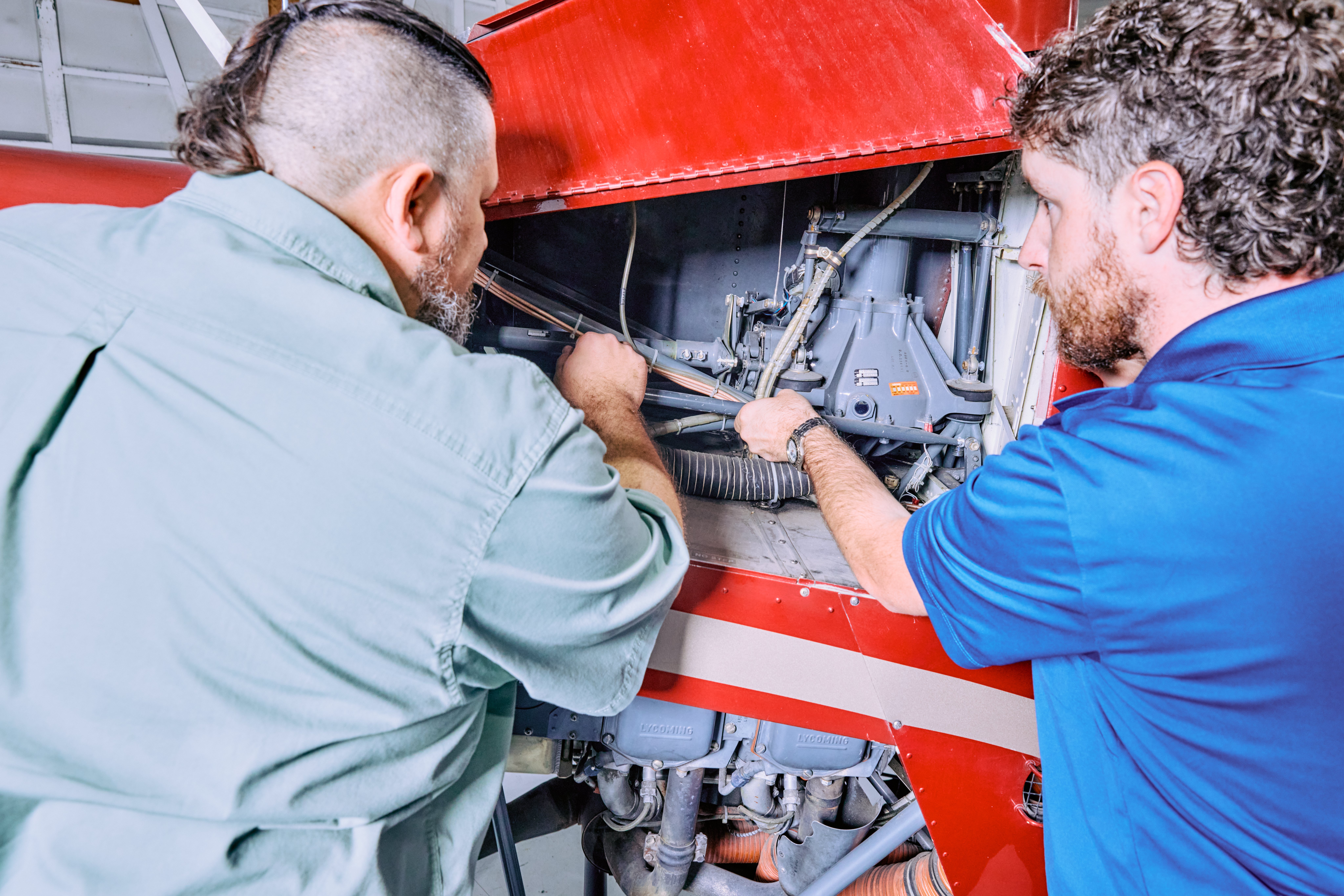
Ready to Launch Your Aviation Career Training?
Whether you're interested in becoming an aviation maintenance technician or exploring aviation career training pathways, Hillsboro Aero Academy is here to support your journey. Our team understands the broader aviation industry and is available to help guide you toward your goals.
We provide aviation career training, industry insights, and personalized support to help you move forward in this dynamic field. With students from over 75 countries, our community reflects a wide range of aviation interests and backgrounds.
Take the first step toward your future in aviation today. Contact us to learn more about our programs and how we can help you achieve your aviation career training goals!
FAQs About A&P License Requirements
How do I qualify to perform maintenance on aircraft?
To legally perform maintenance on aircraft, you must hold an FAA mechanic certificate with appropriate ratings. This requires meeting eligibility requirements (18+ years old, English proficient) and accumulating sufficient practical experience. You'll then need to pass written, oral, and practical tests to demonstrate your knowledge and skills. Once certified, you can perform maintenance tasks appropriate to your ratings—airframe for aircraft structures and systems, powerplant for engines and related components, or both with the combined A&P certification.
What do the oral and practical tests for A&P certification involve?
The oral and practical tests evaluate your ability to apply maintenance knowledge in real-world scenarios. During the oral examination, a Designated Mechanic Examiner will ask questions about maintenance procedures, troubleshooting methodologies, and regulatory requirements. You'll need to explain concepts clearly and demonstrate decision-making skills. The practical test requires hands-on demonstration of maintenance tasks such as sheet metal repair, electrical system troubleshooting, engine inspection, and component installation. These tests typically take 8-16 hours total, sometimes spread across multiple days, and assess both technical competence and safety practices.
Can military personnel use their service experience toward A&P certification?
Yes, military personnel with aviation maintenance experience can apply their service toward A&P certification requirements. The FAA recognizes training and experience gained through military service, particularly for those in aviation maintenance military occupational specialties. Veterans should obtain detailed documentation of their training courses, aircraft types worked on, and specific maintenance tasks performed. The military service record can significantly reduce or even eliminate additional experience requirements for certification. Programs like JSAMTCC help streamline this transition by translating military experience into FAA-recognized equivalents.
Are there specific aviation maintenance technician handbooks I should study?
The FAA publishes several Aviation Maintenance Technician Handbooks that are essential study resources for A&P certification. The core texts include the General Handbook (FAA-H-8083-30A), Airframe Handbook (FAA-H-8083-31A), and Powerplant Handbook (FAA-H-8083-32A). These comprehensive guides cover all knowledge areas tested on the A&P exams and align with current Airman Certification Standards. Supplementing these with test preparation guides, practical application manuals, and FAA advisory circulars provides thorough preparation. Many candidates also use practice test software to familiarize themselves with the exam format.
Is certification required for working on unmanned aircraft systems?
The regulations for unmanned aircraft systems (UAS) maintenance are still evolving. Currently, A&P certification is not universally required for all UAS maintenance, particularly for small drones under Part 107 operations. However, as UAS grow in size and complexity, especially those operating under Part 135 for package delivery or other commercial services, maintenance requirements are becoming more stringent. For larger UAS with type certificates, maintenance by appropriately rated mechanics may be required. The rapid growth of this sector means regulatory frameworks continue to develop, and mechanics with both traditional aircraft and UAS knowledge will be increasingly valuable.
What's the difference between an airframe license and a powerplant license?
While many mechanics pursue the combined A&P certification, you can obtain individual ratings for either airframe or powerplant systems. An airframe license qualifies you to work on aircraft structures, control surfaces, hydraulic systems, electrical systems, and other non-engine components. It requires 18 months of specific airframe experience or appropriate AMTS training. A powerplant license permits you to work specifically on engines, propellers, fuel systems, and related components, also requiring 18 months of focused experience or training. Though some employers hire specialists with single ratings, most prefer mechanics with the combined A&P certification for maximum versatility across all aircraft systems.
What types of maintenance facility environments might I work in with an A&P license?
With an A&P license, you can work in diverse maintenance facility environments ranging from small general aviation shops to major airline maintenance bases. Small maintenance facilities typically offer varied work across different aircraft types but may have limited resources. Airline maintenance operations provide experience with specific aircraft models in high-volume environments with specialized equipment. Corporate aviation departments often maintain smaller fleets to higher standards with more predictable schedules. Repair stations specializing in components like avionics or engines offer deep expertise in specific systems. Manufacturing support roles involve production testing and customer delivery preparation. Each environment offers different advantages in terms of work variety, scheduling, specialization opportunities, and career advancement paths.
How do federal regulations impact the work of an A&P mechanic?
Federal regulations, particularly those in Title 14 of the Code of Federal Regulations (14 CFR), govern virtually every aspect of an A&P mechanic's work. Parts 43, 65, and 91 are especially relevant, covering maintenance performance standards, technician certification requirements, and general operating rules. These regulations dictate who can perform what maintenance, how work must be documented, and the standards for returning aircraft to service. They also establish inspection requirements, component life limits, and compliance with airworthiness directives. A&P mechanics must maintain current knowledge of these regulations as they're periodically updated. Violations can result in certificate action, fines, or even criminal penalties in cases of falsification or gross negligence affecting safety.
This article presents a general overview of the field of aviation, including job opportunities within that field; it does not describe the educational objectives or expected employment outcomes of a particular Hillsboro Aero Academy program. Hillsboro Aero Academy does not guarantee that students will obtain employment or any particular job. Some positions may require licensure or other certifications. We encourage you to research the requirements for the particular career you desire.