
When you watch a helicopter lift off the ground, you're witnessing one of aviation's most impressive engineering achievements. But not all rotor systems are created equal. The type of rotor head a helicopter uses determines everything from how smoothly it flies to how often it needs maintenance. Understanding the different types of helicopter rotor heads is essential for anyone considering a career in rotorcraft aviation.
Key Takeaways
- Fully articulated rotor systems use multiple hinges (flapping, lead-lag, feathering) for independent blade movement, offering superior stability and smooth flight in turbulent conditions
- Semi-rigid (teetering) rotor systems provide mechanical simplicity with two blades on a central hinge, ideal for light helicopters but requiring careful handling to avoid mast bumping
- Rigid rotor systems eliminate most hinges and rely on blade flexibility, delivering responsive control but transmitting more vibration to the aircraft
- Modern innovations like composite rotor blades and active twist technology are reducing noise by up to 30% while extending blade service life beyond 10,000 flight hours
Start your helicopter pilot training journey today and learn to master these sophisticated rotor systems.
What Makes Helicopter Rotor Systems Different
Helicopter rotor systems face a unique aerodynamic challenge that fixed-wing aircraft never encounter. When a helicopter moves forward, the advancing blade (moving in the same direction as the aircraft) experiences higher airspeed than the retreating blade (moving opposite to flight direction). This creates unequal lift across the rotor disc, a phenomenon called dissymmetry of lift.
Without a way to manage these forces, the helicopter would flip uncontrollably. That's where rotor head design becomes critical. Different rotor systems solve this problem through three fundamental blade movements: flapping (vertical motion), lead-lag (horizontal motion in the plane of rotation), and feathering (pitch angle changes).
The rotor hub connects the rotating rotor blades to the helicopter mast while allowing these essential movements. How engineers accommodate these motions defines the three main types of helicopter rotor heads used across the rotorcraft industry today.
Fully Articulated Rotor System: Maximum Flexibility
The fully articulated rotor system represents the most mechanically sophisticated approach to helicopter rotor design. Used on medium to large helicopters like the Boeing CH-47 Chinook and Sikorsky Black Hawk, this configuration allows each blade to move independently through dedicated hinges.
How Fully Articulated Rotors Work
Each blade attaches to the rotor hub through three distinct mechanisms. The flapping hinge permits vertical blade motion (typically 15 to 25 degrees), allowing blades to rise and fall as they rotate. The drag hinge (also called the lag hinge) enables fore-and-aft motion within the rotor disc plane, accommodating Coriolis forces. The feathering axis allows blade pitch changes controlled by pilot controls through the cyclic and collective pitch system.
According to the FAA Helicopter Flying Handbook, this independent blade motion naturally equalizes lift distribution across the rotor disc. When one blade encounters a gust, it adjusts independently without forcing the entire rotor system to react violently.
Advantages of Articulated Systems
Fully articulated helicopter rotor systems deliver exceptional stability in turbulent conditions. The independent blade movement absorbs aerodynamic forces that would otherwise transmit directly to the fuselage. This creates smoother ride quality for passengers and reduces structural vibration.
These systems excel at high forward speed because blade flaps naturally compensate for dissymmetry of lift. The rotor can maintain efficient operation even when advancing blade airspeed approaches transonic conditions. Large transport helicopters and multi-mission military rotorcraft rely on this capability.
Modern fully articulated rotors increasingly use elastomeric bearings instead of traditional metal-to-metal surfaces. These composite bearing arrays require less maintenance because they need no lubrication and fail gradually rather than catastrophically.
Maintenance Considerations
The complexity of fully articulated systems means more components requiring periodic inspection. Hinges, dampers, and pitch links need regular examination and eventual replacement. For heavily utilized military helicopters, lead-lag dampers typically require replacement every 1,000 to 2,000 flight hours.
However, the rotor blades themselves often achieve longer service lives because the hinges distribute loads more evenly. This reduces peak stresses that cause fatigue cracking. Many operators find that while maintenance tasks are more frequent, overall lifecycle costs remain competitive with simpler designs.
Semi-Rigid Rotor System: The Teetering Design
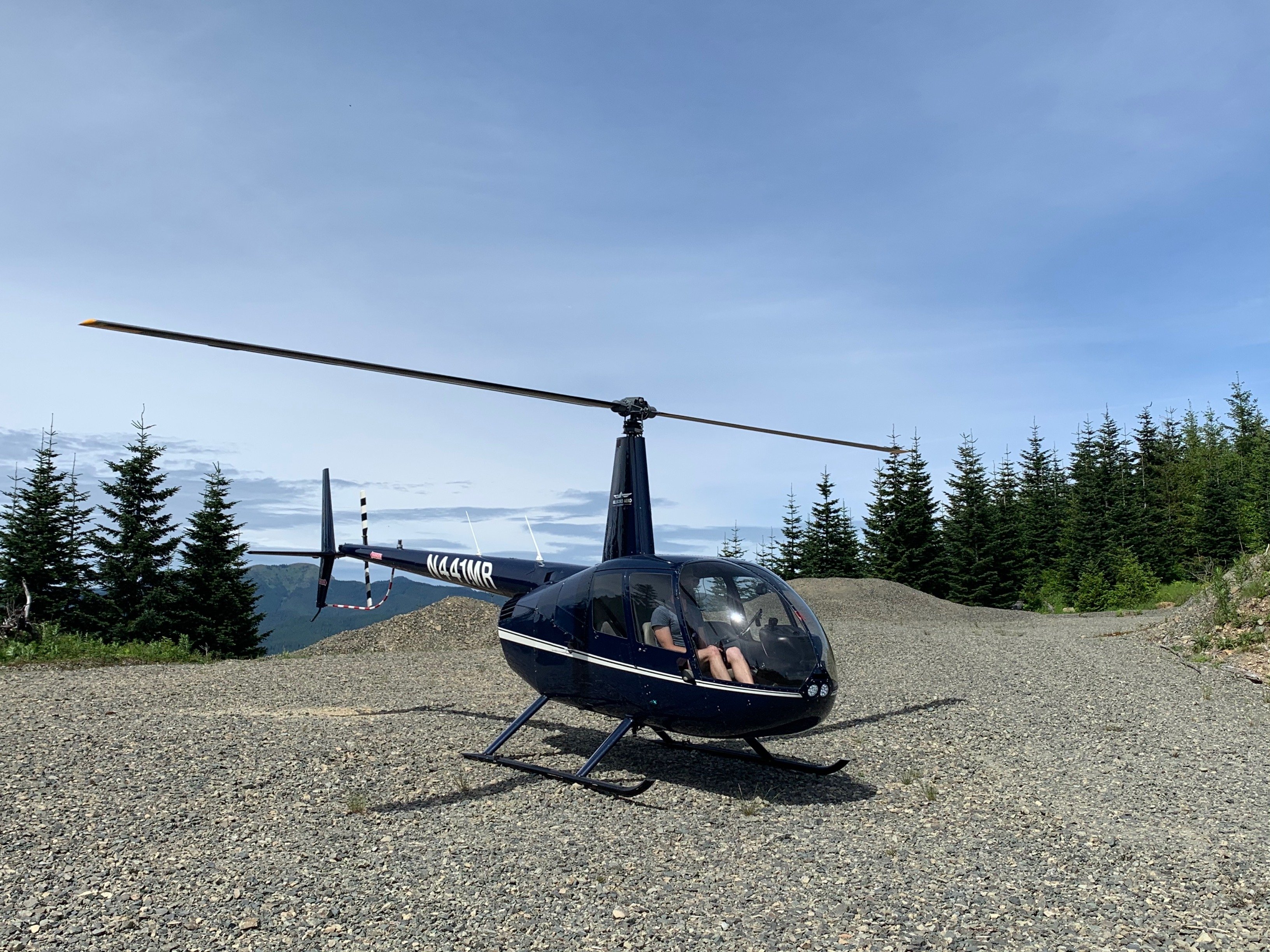
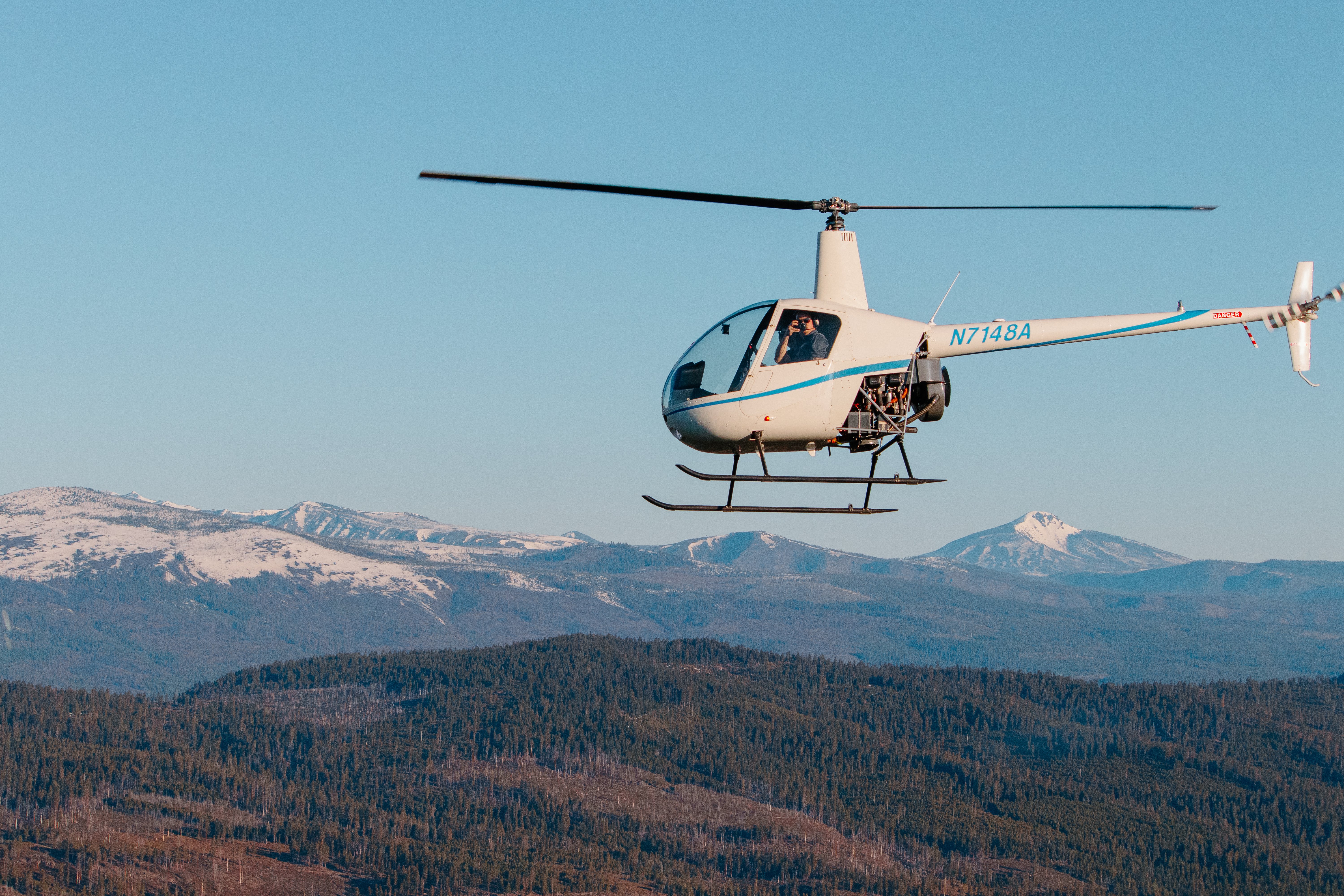
The semi-rigid rotor system, commonly called a teetering rotorhead, offers a middle ground between complexity and performance. Robinson Helicopter Company's R22 and R44 platforms exemplify this design, which dominates the light helicopter market.
Teetering Hinge Mechanics
A semi-rigid rotor typically uses two rotors (two blades) joined at a central teetering hinge positioned just below the rotor hub center. When one blade flaps upward, the other flaps downward simultaneously, like a seesaw. This naturally balances lift across the rotor disc.
Semi-rigid rotor systems are the standard for many popular civilian helicopters. Most importantly for our students, the Robinson R22, R44, and R66 helicopters you will fly here at Hillsboro Aero Academy utilize this teetering semi-rigid design, as do classic airframes like the Bell 206 JetRanger. This mechanical simplicity translates to a lighter overall weight and reduced manufacturing complexity compared to fully articulated system alternatives.
Benefits and Limitations
Semi-rigid rotors require fewer moving parts than articulated systems, resulting in lower acquisition costs and simplified maintenance schedules. The pilot experiences responsive, direct control because fewer hinges introduce compliance in the control chain.
However, this design carries a significant operational hazard: mast bumping. During low-G maneuvers (when rotor disc loading drops below aircraft weight), the teetering motion can allow the rotor hub to contact the main rotor shaft. This catastrophic failure mode requires strict operational limitations. According to recent industry developments, Robinson updated the R66 empennage design in 2023 to improve high-speed roll stability and reduce mast bumping risk.
The characteristic "blade slap" sound of two-bladed rotors creates more noticeable vibration than three or four rotors configurations. Each time blades pass parallel to the fuselage, the rotor presents a thin profile to the airstream, generating distinctive acoustic signatures.
Best Applications
Semi-rigid systems excel in training environments, agricultural aviation, and utility operations where pilots operate within defined flight envelopes. The types of helicopters commonly used for flight training often feature semi-rigid rotors because they teach fundamental control techniques while remaining economical to operate.
Rigid Rotor System
The rigid rotor represents a fundamentally different design philosophy. Instead of using mechanical hinges, these systems allow blade flap and lead-lag motion through controlled structural flexibility.
Hingeless Design Principles
In a rigid rotor configuration, rotor blades attach to the hub through minimal articulation points. The blade structure itself flexes and bends elastically to accommodate aerodynamic forces and inertial loads. Only feathering motion (blade pitch angle changes) occurs through mechanical bearings.
This approach emerged from efforts to reduce component count and achieve more responsive pitch control. Without flapping hinges, the rotor disc responds almost instantaneously to cyclic inputs, making rigid rotors attractive for aerobatic flight and high-performance military applications.
Performance Characteristics
Rigid rotor systems deliver exceptionally crisp control response. The pilot experiences near-zero lag between control input and rotor disc attitude change. This directness proves valuable for tactical military operations requiring rapid maneuvering.
The elimination of hinges reduces overall system weight and mechanical complexity. However, all aerodynamic and dynamic loads must be absorbed through blade material deformation. This concentrates stresses at blade root attachment points, requiring robust composite construction.
According to recent industry research, rigid rotor blades typically employ advanced carbon fiber layup sequences to achieve the precise bending and torsional stiffness characteristics necessary for safe operation.
Vibration and Ride Quality
Rigid rotors transmit more vibration to the airframe because blade motion occurs through material deformation rather than hinged compliance. Turbulence produces a rougher ride as aerodynamic disturbances transfer directly through the rigid blade structure to the hub and fuselage.
The lack of flapping hinges means blades cannot absorb transient loads from gusts as effectively as fully articulated designs. This characteristic makes rigid rotors less suitable for civilian transport operations prioritizing passenger comfort, though military pilots often prefer the enhanced control authority for combat maneuvering.
Comparison Table: Rotor System Types
|
Feature |
Fully Articulated |
Semi-Rigid (Teetering) |
Rigid (Hingeless) |
|
Blade Movement |
Independent flapping, lead-lag, feathering |
Synchronized flapping on central hinge |
Flexure-based motion |
|
Typical Blade Count |
3-7 blades |
2 blades |
2-5 blades |
|
Mechanical Complexity |
High (multiple hinges per blade) |
Low (single teetering hinge) |
Medium (minimal hinges) |
|
Maintenance Requirements |
Higher component count, regular inspections |
Fewer parts, simpler maintenance |
Intensive blade inspections |
|
Control Response |
Smooth, damped |
Responsive, direct |
Very responsive, crisp |
|
Vibration Characteristics |
Low vibration transmission |
Moderate (2-per-rev vibration) |
Higher vibration transmission |
|
Mast Bumping Risk |
Virtually eliminated |
Present in low-G conditions |
Minimized through design |
|
Typical Applications |
Large transport, military, commercial |
Light helicopters, training, utility |
Military, specialized operations |
|
Example Aircraft |
CH-47 Chinook, UH-60 Black Hawk |
Robinson R44, Bell 206 |
MH-60R Seahawk (variants) |
Special Rotor Configurations
Beyond the three main rotor head types, engineers have developed specialized rotor systems for unique operational requirements.
Coaxial Rotor Systems
Coaxial rotor designs mount two rotors on the same axis, spinning in opposite direction to cancel torque. This eliminates the need for a tail rotor, improving lifting capacity and reducing mechanical complexity. The Russian Kamov Ka-52 exemplifies this approach.
Without a tail rotor consuming engine power, coaxial helicopters achieve greater payload efficiency. However, the rotating rotor systems mounted close together require precise engineering to prevent blade collision during extreme maneuvers.
Tandem Rotor Helicopters
Tandem rotor helicopters like the CH-47 Chinook position main rotor assemblies at the front and rear of the fuselage. Each rotor rotates in opposite directions, eliminating torque while providing exceptional lifting capacity and cargo volume.
The main rotor blades on tandem configurations must be synchronized to prevent blade strikes during operation. Advanced pilot controls manage the complex interaction between fore and aft rotor systems to control fuselage attitude and flight path.
Intermeshing Rotors
Some different helicopters use intermeshing rotor designs where two main rotor systems angle inward with their rotor disc planes intersecting. The Kaman K-MAX employs this configuration for exceptional external load capability. Precise timing ensures the blades never contact each other despite their close proximity.
Modern Rotor Blade Innovations
The rotorcraft industry continues advancing rotor technology through materials science and active control systems.
Composite Blade Construction
Modern rotor blades increasingly use carbon fiber composites instead of aluminum. Van Horn Aviation's composite blades achieve service lives exceeding 10,000 flight hours (double traditional metal blade life) while reducing operating costs by 50 to 80 percent over the blade's full lifecycle.
Composite materials provide superior strength-to-weight ratios and eliminate corrosion concerns. The components can be engineered with specific flex characteristics in different directions, optimizing structural properties along principal load paths.
Active Twist Technology
Researchers achieved a major breakthrough with the Smart Twisting Active Rotor (STAR) project. According to recent testing by Germany's DLR Aerospace Center, piezoelectric actuators embedded in rotor blades can dynamically twist blade sections during rotation.
This active control delivered remarkable results: 22 percent overall vibration reduction, approximately 7 decibels noise reduction during landing descent, and 1 percent efficiency improvement. The technology shows particular promise for urban air mobility applications where noise restrictions limit helicopter operations.
Advanced Tip Designs
Swept-tip and anhedral blade tip configuration options reduce blade-vortex interactions that generate substantial noise. Industry reports indicate these designs achieve noise reductions reaching 30 percent in some applications while maintaining aerodynamic performance.
The aerodynamic optimization of blade tips directly addresses community concerns about helicopter noise, particularly for emergency medical services operations in populated areas.
How Rotor Systems Control the Helicopter
Understanding rotor head types requires knowledge of how pilots control these complex systems.
The Swashplate Mechanism
The swashplate translates stationary cockpit pilot controls into rotating blade pitch changes. This elegant device consists of two concentric plates: a stationary outer swashplate connected to the controls and a rotating inner swashplate that spins with the rotor hub.
When the pilot raises the collective lever, the entire swashplate moves vertically along the mast. This pushes pitch links upward, increasing blade pitch angle on all blades simultaneously. The result is increased thrust across the entire rotor disc.
Cyclic Control and Direction
Moving the cyclic stick forward tilts the swashplate, creating a progressive pitch pattern. Blades over the aircraft rear receive increased pitch while those over the front receive decreased pitch. Through gyroscopic precession, this tilts the rotor disc forward and the helicopter accelerates in that direction.
This pitch control system works identically across all rotor head types, though the mechanical response varies based on whether hinges or blade flexibility accommodate the resulting forces.
Tail Rotor Function
The tail rotor generates thrust perpendicular to the main rotor plane, counteracting main rotor torque. Pilot pedal inputs change tail rotor blade pitch, varying tail rotor thrust to control the helicopter's yaw axis.
Different tail rotor designs include conventional open rotors, enclosed Fenestron systems, and NOTAR (no tail rotor) configurations using airflow circulation. Each approach manages anti-torque requirements through different mechanical principles.
Choosing the Right Rotor System
The selection between rotor head types depends on mission requirements and operational priorities.
Military and Commercial Transport
Large military and commercial operators prioritize all-weather capability and operational flexibility. Fully articulated rotor system designs dominate this segment because their superior stability in turbulence, higher maximum speed, and better altitude performance justify the increased maintenance investment.
Aircraft like the Airbus H225 and Leonardo AW139 exemplify fully articulated commercial designs serving search and rescue, offshore transport, and VIP missions.
Training and Light Utility
Cost-sensitive training operations and agricultural applications benefit greatly from the simplicity of semi-rigid systems. The continued market success of the Robinson R22, R44, and R66 helicopters demonstrates that well-engineered teetering systems provide highly reliable performance within carefully managed operational boundaries.
Students learning how to become a helicopter pilot in five easy steps often begin training in semi-rigid helicopters because their direct control feel teaches fundamental techniques effectively.
Specialized Operations
High-performance military missions and specialized tactical operations sometimes justify rigid rotor designs despite their limitations. The exceptional control responsiveness proves valuable when mission success depends on aggressive maneuvering capability.
Engine Integration and Power Systems
Rotor system performance depends on proper integration with helicopter propulsion.
Turbine vs Piston Engines
Piston engine helicopters (typically light training aircraft) operate at lower power levels suitable for single main rotor configurations with simple rotor systems. Turbine engines powering larger helicopters provide the sustained power output necessary for complex fully articulated systems with multiple rotor blades.
The power transmission path from engine through transmission to rotor hub must be precisely engineered. The shaft connecting these components experiences enormous torque loads that require careful design and regular inspection.
Rotor Speed Management
Most helicopters maintain constant rotor RPM throughout flight, using collective pitch changes to vary thrust output. Engine governors automatically adjust power to maintain desired rotor speed regardless of blade pitch settings.
This approach simplifies pilot workload and ensures the rotor operates at its design point. Variable rotor speed systems remain rare, though they show promise for future high-speed compound helicopter designs.
Safety Considerations Across Rotor Types
Different rotor head designs present distinct safety considerations.
Mast Bumping Prevention
Semi-rigid rotors require strict adherence to operational limits preventing low-G conditions. Pilots must avoid abrupt forward cyclic inputs and pushovers that unload the rotor disc. Training programs emphasize recognition and avoidance of conditions conducive to mast bumping.
Fully articulated systems eliminate this hazard through mechanical separation between blade flapping motion and the mast structure.
Ground Resonance
Ground resonance occurs when rotor blade oscillations couple with fuselage bounce modes, creating potentially destructive vibration. Lead-lag dampers in articulated rotors must function properly to prevent this instability.
Pilots learn to recognize ground resonance symptoms (increasing lateral vibration while on the ground) and respond immediately by either lifting off or shutting down before vibration amplitudes reach damaging levels.
Structural Integrity
Regular inspections verify rotor hub components, blade attach fittings, and control linkages remain airworthy. Composite blade technology enables visual inspection for delaminations and skin cracking, which typically occur gradually rather than catastrophically.
FAQ: Types of Helicopter Rotor Heads
What are the main types of helicopter rotor systems?
The three primary types are fully articulated, semi-rigid (teetering), and rigid (hingeless) rotor systems. Fully articulated rotors use multiple hinges per blade for independent movement. Semi-rigid systems employ a central teetering hinge connecting two blades. Rigid rotors rely on blade structural flexibility rather than mechanical hinges to accommodate aerodynamic loads.
How do different rotor systems affect helicopter performance?
Fully articulated systems provide smoother flight and better high-speed capability but require more maintenance. Semi-rigid rotors offer mechanical simplicity and responsive control but have operational restrictions regarding mast bumping. Rigid rotors deliver exceptional control response but transmit more vibration to the aircraft. The choice impacts everything from ride quality to operating costs.
What is a coaxial rotor system?
A coaxial rotor design mounts two counter-rotating rotor systems on the same axis. The rotors spin in opposite direction to cancel torque, eliminating the need for a conventional tail rotor. This configuration improves lifting capacity because no power is lost to anti-torque functions. Helicopters like the Kamov Ka-52 use coaxial rotors.
How do tandem rotor helicopters work?
Tandem rotor helicopters position two main rotor assemblies fore and aft on the fuselage. Each rotor rotates in opposite directions to cancel torque. The CH-47 Chinook exemplifies this design, which provides exceptional cargo volume and payload capability. Synchronized pilot controls manage the interaction between the two rotor systems.
What causes helicopter vibration?
Vibration results from aerodynamic imbalances, blade tracking variations, and mechanical tolerances in rotor systems. Rotor blades experience different aerodynamic conditions as they rotate, creating periodic loads transmitted through the rotor hub to the airframe. Different rotor systems manage these vibrations differently based on their mechanical architecture and damping characteristics.
How long do composite rotor blades last?
Modern composite rotor blades can achieve service lives exceeding 10,000 flight hours, roughly double the lifespan of traditional aluminum blades. Carbon fiber construction eliminates corrosion concerns and provides superior fatigue resistance. Some composite blade designs operate throughout their entire service life without requiring overhaul.
What is the difference between flapping and lead-lag motion?
Blade flaps refer to vertical blade movement perpendicular to the rotor disc plane, compensating for dissymmetry of lift. Lead-lag motion describes horizontal blade movement within the rotation plane, accommodating Coriolis forces generated when blades flap while rotating. The flapping hinge and drag hinge permit these essential movements in articulated systems.
Why do some helicopters have four rotor blades?
Four rotors (four-blade configurations) reduce per-blade loading compared to two or three-blade designs, enabling quieter operation and smoother flight. The additional blades distribute aerodynamic forces more evenly throughout each rotor cycle. This configuration appears on helicopters prioritizing passenger comfort and noise reduction, though it increases hub complexity.
What is a teetering hinge?
A teetering hinge is the central pivot point in semi rigid rotor systems where two blades connect. When one blade flaps upward, the other automatically flaps downward in a seesaw motion. This naturally balances lift across the rotor disc while maintaining mechanical simplicity compared to fully articulated designs.
How does feathering differ from flapping?
The feathering axis allows blade pitch changes (angle of attack variation), directly controlled by the pilot through collective and cyclic inputs. Flapping is vertical blade motion that occurs naturally in response to aerodynamic forces. Feathering controls how much lift each blade generates, while flapping distributes that lift evenly across the rotor disc.
What are elastomeric bearings in rotor systems?
Elastomeric bearings use layered rubber and metal construction instead of traditional metal-to-metal bearing surfaces. They require no lubrication and fail gradually rather than catastrophically, improving reliability and reducing maintenance requirements. Modern fully articulated rotor system designs increasingly employ elastomeric bearings for flapping, lead-lag, and feathering functions.
Can helicopters fly with damaged rotor blades?
Minor damage may be acceptable depending on location and severity, but any blade damage requires immediate inspection and assessment. Composite blades often tolerate small delaminations or skin cracks without compromising safety, though repairs become necessary. Major structural damage to rotor blades or rotor hub components typically grounds the helicopter until repairs are completed.
Disclaimer: This article presents a general overview of the field of aviation, including job opportunities within that field; it does not describe the educational objectives or expected employment outcomes of a particular Hillsboro Aero Academy program. Hillsboro Aero Academy does not guarantee that students will obtain employment or any particular job. Some positions may require licensure or other certifications. We encourage you to research the requirements for the particular career you desire.