
Becoming a certified flight instructor (CFI) is one of the most rewarding steps in an aviation career. To qualify, you need to be at least 18 years old, hold a commercial pilot certificate with an instrument rating, pass two knowledge tests (Fundamentals of Instruction and Flight Instructor Airplane), complete specialized flight training including spin awareness, and demonstrate teaching proficiency during a practical test with an FAA examiner.
Key Takeaways
- Eligibility: You must be 18+ years old, hold a commercial pilot certificate (or airline transport pilot certificate), and have logged at least 15 hours as pilot-in-command in the aircraft category you'll teach.
- Knowledge Tests: Pass both the Fundamentals of Instruction (FOI) test and the Flight Instructor Airplane (FIA) test with a minimum score of 70%.
- Practical Test: Demonstrate the ability to fly maneuvers to commercial pilot standards while simultaneously teaching them effectively to an FAA-Designated Pilot Examiner (DPE.
- Recent Experience: After earning your flight instructor certificate, you must establish recent experience (14 CFR 61.197) every 24 months to maintain instructional privileges (effective December 1, 2024, CFI certificates no longer have expiration dates).
Ready to start your journey to becoming a flight instructor? Contact Hillsboro Aero Academy today to learn about our certified flight instructor course.
Basic Eligibility Requirements

Before you can begin flight instructor training, you need to meet several foundational criteria established by the FAA under 14 CFR 61.183.
Age and Language Proficiency
You must be at least 18 years old to apply for a flight instructor certificate. This age requirement reflects the significant responsibility of teaching others to fly safely.
You must also be able to read, speak, write, and understand English fluently. Clear communication is critical when teaching complex aeronautical concepts and ensuring student safety.
Required Pilot Certificates and Ratings
You cannot become a flight instructor without first earning a commercial pilot certificate or an airline transport pilot certificate. This ensures you have advanced flying skills before you teach others.
Additionally, you must hold an instrument rating (or instrument privileges) appropriate to the flight instructor rating you're pursuing. For example, if you want to teach in single-engine or multiengine airplanes, you need an instrument rating. Glider instructors are exempt from this requirement.
The category and class rating on your pilot certificate must match the flight instructor rating you're seeking. If you want to teach in single-engine airplanes, you need a commercial pilot certificate with a single-engine airplane rating.
Flight Experience Requirements
The FAA requires that you have logged at least 250 hours of total flight time (this comes from earning your commercial pilot certificate). Beyond that, you must have at least 15 hours as pilot-in-command in the specific category and class of aircraft you plan to teach.
These hours ensure you have enough real-world flying experience to understand the challenges students face and provide practical, effective instruction.
If you trained under a Part 141 flight school, you may meet commercial pilot requirements with as few as 190 hours, but the 15-hour PIC requirement still applies for CFI certification.
The Two Required Knowledge Tests
Before you can take the flight instructor practical test, you must pass two separate written exams. Here's a breakdown:
|
Test |
Questions |
Time Limit |
Passing Score |
What It Covers |
|
Fundamentals of Instruction (FOI) |
50 |
1.5 hours |
70% |
Learning process, teaching methods, student evaluation, lesson planning, classroom techniques |
|
Flight Instructor Airplane (FIA) |
100 |
2.5 hours |
70% |
Aeronautical knowledge for private/commercial pilots, flight instructor responsibilities, regulations, endorsements |
Fundamentals of Instruction (FOI) Test
The FOI test focuses entirely on how people learn and how to teach effectively. It covers topics like barriers to learning, teaching methodologies, and evaluation techniques.
Certain applicants are exempt from taking the FOI test. If you already hold a flight instructor certificate, ground instructor certificate, or a state-issued teaching certificate (7th grade or higher), you don't need to retake the FOI.
Flight Instructor Airplane (FIA) Test
The FIA test evaluates your aeronautical knowledge at the commercial pilot level and beyond. You'll be tested on aircraft systems, aerodynamics, weather, regulations, navigation, performance, and flight instructor-specific responsibilities like logbook endorsements and student certification.
Both tests are administered at FAA-approved testing centers. Your test scores are valid for 24 calendar months, so you must complete your practical test within that window or retake the exams.
Flight Training and Spin Awareness Requirements
Passing the knowledge tests is just the beginning. You also need hands-on flight training in all areas of operation specified in 14 CFR 61.187.
Areas of Operation
For single-engine airplane flight instructors, the required areas include:
- Fundamentals of instructing
- Technical subject areas
- Preflight preparation and procedures
- Airport operations
- Takeoffs, landings, and go-arounds
- Fundamentals of flight
- Performance maneuvers
- Ground reference maneuvers
- Slow flight and stalls
- Basic instrument maneuvers
- Emergency operations
- Postflight procedures
You'll need to demonstrate the ability to perform these maneuvers while teaching them to a student. This dual challenge (flying well and explaining clearly) is what makes CFI training unique.
Stall Awareness, Spin Entry, Spins, and Spin Recovery Procedures
One of the most critical (and challenging) parts of CFI training is spin awareness and recovery training. The FAA requires that you receive flight training in stall awareness, spin entry, spins, and spin recovery procedures in an aircraft certificated for spins.
After completing spin training, you must receive a logbook endorsement from an authorized instructor certifying that you are competent and possess instructional proficiency in teaching these areas.
Pro Tip: Spin training can be intimidating, but it's essential for teaching students how to recognize and avoid dangerous flight conditions. Choose an instructor experienced in aerobatic or spin training to build your confidence.
Most flight schools recommend 25 hours of flight training and 25 hours of ground training beyond your commercial pilot certificate to prepare for the CFI practical test. Training timelines vary, but full-time students often complete CFI training in 8 to 16 weeks.
The Practical Test (Checkride)

The flight instructor practical test is one of the longest and most comprehensive checkrides you'll take. It's conducted by an FAA-designated pilot examiner (DPE) and consists of two parts: oral and flight.
Oral Examination
The oral portion typically lasts 4 to 6 hours. You will be tested under the Flight Instructor for Airplane Category Airmen Certification Standards (FAA-S-ACS-25):
- The fundamentals of instructing
- Technical subject areas (aircraft systems, aerodynamics, weather, regulations)
- Flight instructor responsibilities (endorsements, logbook entries, certification processes)
- Runway incursion avoidance and safety procedures.
You'll likely be asked to conduct a sample ground lesson on a topic chosen by the examiner. This is your opportunity to demonstrate your teaching ability, organization, and communication skills.
Under the Flight Instructor for Airplane Category Airman Certification Standards (FAA-S-ACS-25), you are expected to prepare and bring your own lesson plans for the required subjects. These lesson plans should follow the appropriate ACS tasks and clearly outline the objective, key teaching points, references, and completion standards.
During the lesson, the examiner will evaluate not only your knowledge of the subject but also how effectively you present the material, engage the “student,” and manage the lesson in a structured and professional manner.
Flight Examination
The flight portion lasts approximately 1.5 to 2 hours. During this time, the examiner will act as a student pilot at various skill levels. You must:
- Demonstrate maneuvers to private or commercial pilot standards
- Provide clear, effective instruction while flying
- Recognize and correct common errors the examiner intentionally simulates
- Maintain safety and professionalism throughout
The examiner evaluates your ability to teach, not just fly. You need to explain what you're doing, why you're doing it, and what common mistakes students make.
If you pass, you'll receive a temporary flight instructor certificate on the spot. The permanent certificate arrives from the FAA within a few weeks.
Recent Experience Requirements (14 CFR 61. 197)
Starting December 1, 2024, the FAA eliminated traditional expiration dates on new flight instructor certificates. Instead, you must establish recent experience every 24 calendar months to maintain your instructional privileges.
You can satisfy recent experience by:
- Passing a practical test for a rating listed on your certificate (or adding a new rating).
- Endorsing at least 5 applicants for practical tests, with 80% or more passing on the first attempt.
- Completing an approved Flight Instructor Refresher Course (FIRC) within 3 months of your recent experience end date.
- Serving as a company check pilot, chief instructor, or flight instructor in a Part 121 or Part 135 operation.
- Completing one phase of the FAA WINGS pilot proficiency program while conducting at least 15 flight activities evaluating 5+ different pilots.
If you miss your recent experience deadline, you have a 3-month reinstatement period to complete a FIRC. If you don't act within those 3 months, you'll need to retake the full practical test.
For more details on the new regulations, check out AOPA's guide to CFI changes.
Additional Flight Instructor Ratings
Once you earn your initial CFI certificate, you can pursue additional ratings to expand your teaching authority and career opportunities.
Certified Flight Instructor Instrument (CFII)
The CFII rating allows you to teach students pursuing instrument ratings or Certified Flight Instructor Instrument. This is one of the most sought-after additional ratings because many pilots need instrument instruction for professional careers.
To earn your CFII, you must already hold a CFI certificate and an instrument rating. You'll need to pass the instrument flight instructor knowledge test and practical test.
Multi-Engine Instructor (MEI)
The MEI rating authorizes you to teach in multiengine aircraft. Combined with CFI and CFII, this "triple rating" makes you highly marketable to flight schools and training organizations.
MEI applicants must hold a commercial pilot certificate with a multiengine rating and demonstrate the ability to teach multiengine-specific operations like engine-out procedures.
Hillsboro Aero Academy offers training for all three instructor ratings. Learn more about our certified flight instructor course and multi-engine instructor training.
Why Become a Flight Instructor?
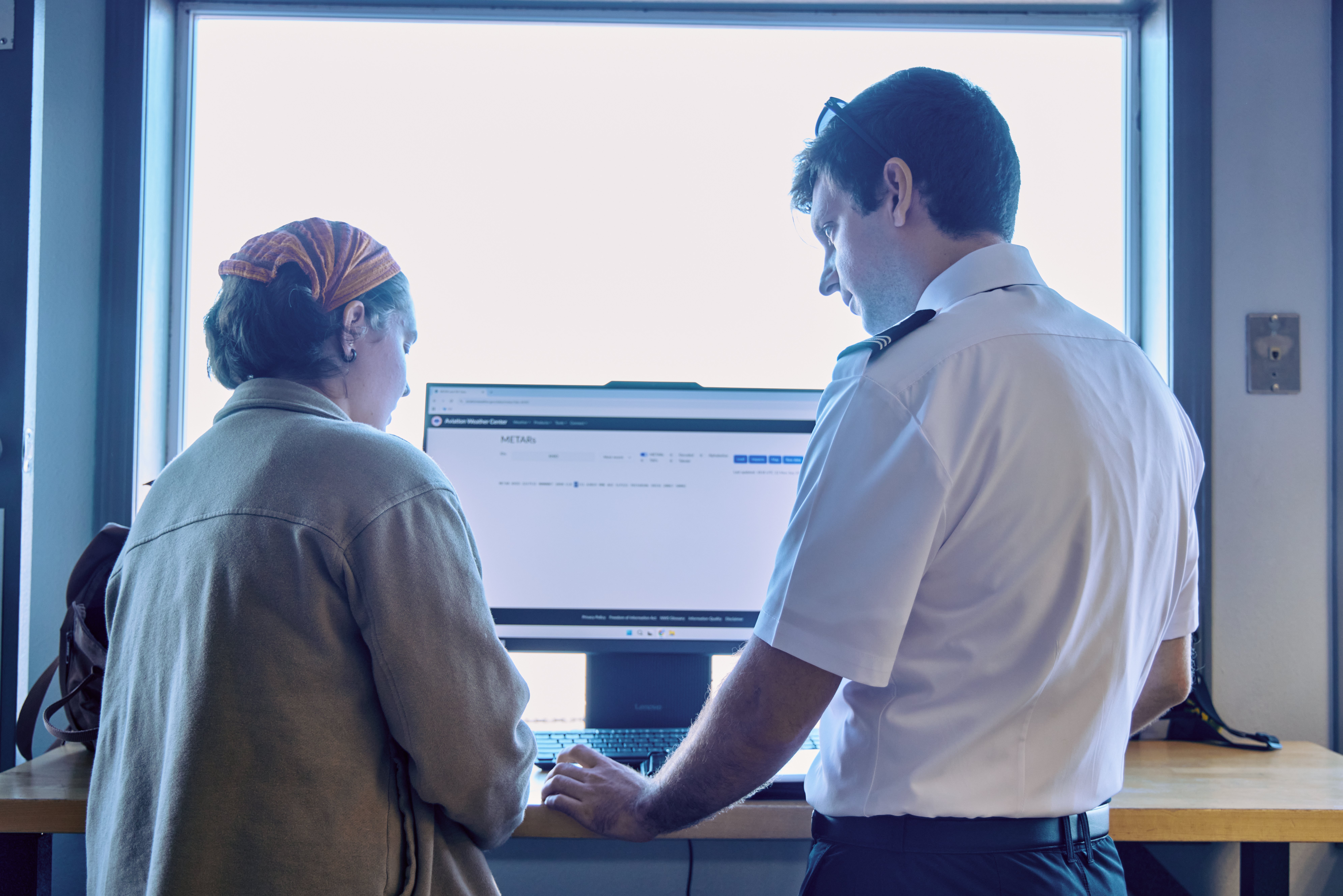
Flight instruction is more than just a stepping stone to airline jobs. It's a chance to build flight hours, refine your own skills, and help others achieve their aviation dreams.
Many pilots use flight instruction to accumulate the 1,500 hours required for airline hiring. A full-time CFI can log 500 to 1,000 hours annually while earning income, making it an efficient path to a professional pilot career.
Beyond hour-building, teaching forces you to understand aviation at a deeper level. You'll learn why maneuvers work, how to diagnose student errors, and how to communicate complex ideas clearly. These skills make you a better, safer pilot.
If you're interested in learning more about the pilot career path, check out our guide on types of pilot licenses or explore the airplane pilot career path.
Frequently Asked Questions
What is a flight instructor certificate?
A flight instructor certificate (also called a CFI certificate) is an FAA credential that authorizes you to provide ground and flight training to student pilots and conduct flight reviews for certificated pilots. It's issued after you pass two knowledge tests and a comprehensive practical test.
Do I need a commercial pilot certificate to become a flight instructor?
Yes. You must hold either a commercial pilot certificate or an airline transport pilot certificate before you can apply for a flight instructor rating. The commercial certificate ensures you have the advanced flying skills necessary to teach others safely.
What is the appropriate flight instructor certificate for teaching instrument students?
To teach instrument students, you need a Certified Flight Instructor Instrument (CFII) rating in addition to your basic CFI certificate. This rating authorizes you to provide instrument flight instruction and endorsements.
What does "possesses instructional proficiency" mean for spin training?
This phrase appears in the logbook endorsement required for CFI applicants. It means you have demonstrated the ability to not only perform spins and spin recovery yourself, but also to teach these procedures effectively to students. Your instructor must verify this before you take the practical test.
Can I teach flight training without holding a flight instructor rating?
No. You must hold a valid flight instructor certificate with the appropriate rating to provide flight instruction. Providing instruction without proper certification violates FAA regulations.
What is the difference between a ground instructor certificate and a flight instructor certificate?
A ground instructor certificate authorizes you to provide ground training only (classroom instruction, knowledge test prep). A flight instructor certificate allows you to provide both ground training and flight training. Ground instructors cannot teach in-flight maneuvers or endorse students for checkrides.
How long does it take to get a flight instructor certification?
Most students complete CFI training in 8 to 16 weeks, depending on training intensity and proficiency level.
What is the initial flight instructor applicant process?
An initial flight instructor applicant is someone earning their first CFI certificate. The process includes meeting eligibility requirements (age, certificates, flight hours), passing the FOI and FIA knowledge tests, completing flight training in all required areas, receiving proper endorsements, and passing the practical test with a DPE.
What is a practical test for flight instructors?
The practical test (also called a checkride) is the final evaluation for CFI certification. It includes an oral exam (4 to 6 hours) and a flight test (1.5 to 2 hours) where you demonstrate teaching ability and flying proficiency to an FAA-designated pilot examiner.
Do flight instructors need to know spin recovery instructional procedures?
Yes. Airplane CFI applicants must receive training in stall awareness, spin entry, spins, and spin recovery procedures. You must also demonstrate instructional proficiency in teaching these areas during your practical test.
What is an authorized instructor?
An authorized instructor is any flight instructor, ground instructor, or other instructor approved by the FAA Administrator to provide specific training. For most flight training, this means a certificated flight instructor (CFI).
What aeronautical knowledge areas are tested for CFI certification?
The FIA knowledge test covers all aeronautical knowledge areas required for private and commercial pilots, including aircraft systems, aerodynamics, weather, regulations, navigation, performance, weight and balance, airspace, and flight instructor-specific topics like endorsements and certification processes.
What are the applicant's flight instructor certificate privileges once issued?
Once you earn your flight instructor certificate, you can provide ground and flight training to student pilots, endorse students for knowledge tests and practical tests, conduct flight reviews for certificated pilots, and provide flight instruction in the aircraft category and class listed on your certificate.
What is the category and class requirement for CFI applicants?
Your commercial pilot certificate must include the same category and class rating as the flight instructor rating you're seeking. For example, to teach in multi-engine airplanes, you need a commercial certificate with airplane category and multi-engine class rating.
What does "demonstrate instructional proficiency" mean on the CFI practical test?
During the practical test, you must show that you can teach maneuvers effectively. This means demonstrating procedures to commercial pilot standards while explaining what you're doing, why it matters, what common errors occur, and how to correct them.
Start Your Flight Instructor Journey with Hillsboro Aero Academy
Becoming a certified flight instructor opens doors to an aviation career. Whether you're building hours toward the airlines or simply passionate about teaching, the CFI certificate is an essential credential.
At Hillsboro Aero Academy, we've been training flight instructors for over 40 years. Our experienced team provides comprehensive ground and flight training, personalized mentorship, and career support to help you succeed.
Get started today and take the first step toward becoming a certificated flight instructor.
__
This article presents a general overview of the field of aviation, including job opportunities within that field; it does not describe the educational objectives or expected employment outcomes of a particular Hillsboro Aero Academy program. Hillsboro Aero Academy does not guarantee that students will obtain employment or any particular job. Some positions may require licensure or other certifications. We encourage you to research the requirements for the particular career you desire.