
So you're thinking about becoming a pilot. That's exciting. But let's be real for a second: what are your actual chances of making it through flight training? The success rate of becoming a pilot varies widely depending on the training program, but industry data shows that approximately 20-50% of students who begin flight training successfully earn their private pilot certificate. Understanding why some students succeed while others don't can help you stack the odds in your favor.
Key Takeaways
- The success rate of becoming a pilot ranges from 20-50%, with dropout rates as high as 80% across all training pathways
- Financial barriers, instructor turnover, fear, and aircraft quality are the top reasons student pilots quit
- Structured training programs like Part 141 schools report higher completion rates than unstructured Part 61 training
- The pilot shortage means now is one of the best times to pursue aviation, with 660,000 new pilots needed globally by 2044
Ready to start your pilot training journey? Contact Hillsboro Aero Academy today to learn how our structured programs can help you succeed.
What Is the Success Rate of Becoming a Pilot?
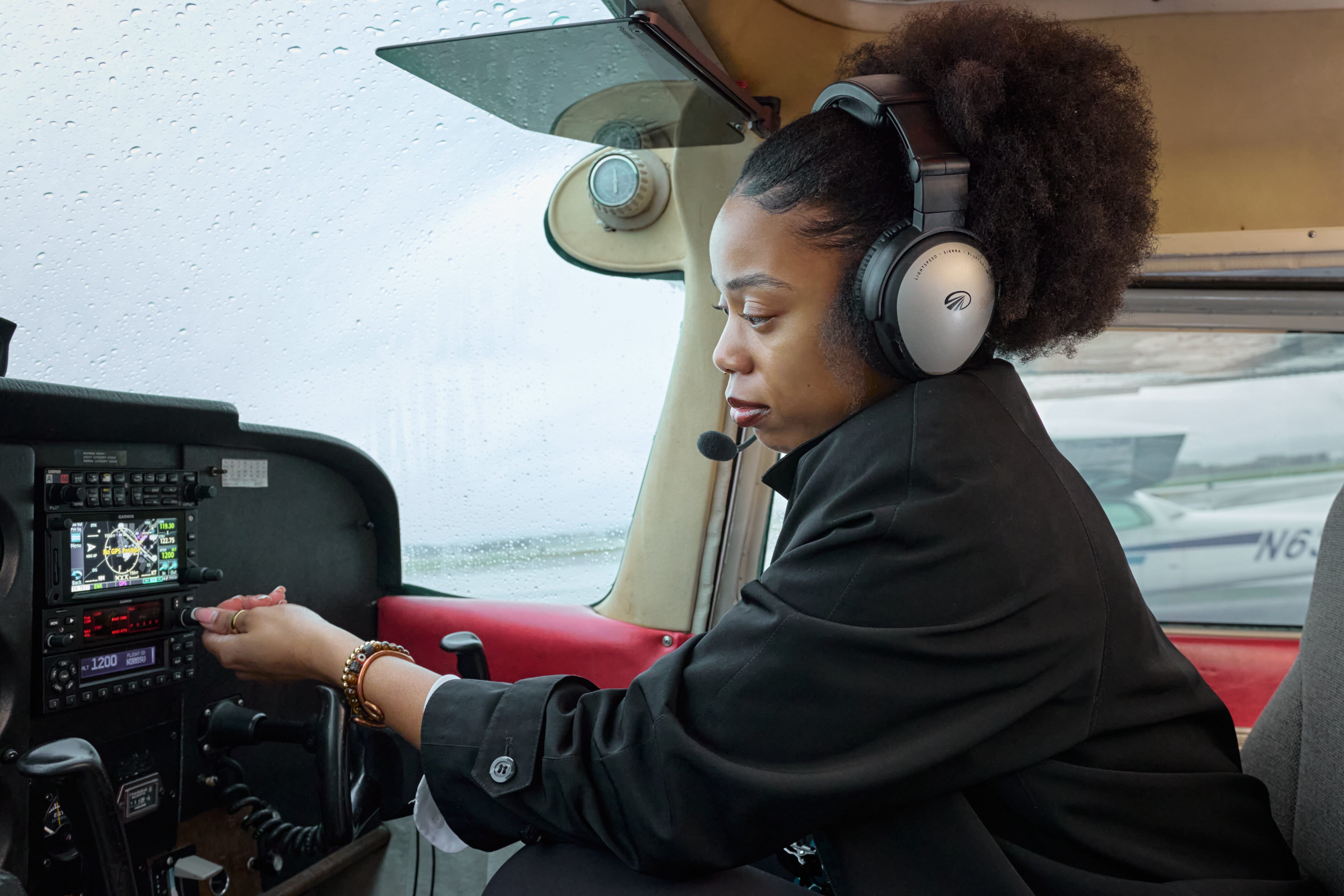
The success rate of becoming a pilot depends on how you measure it. If we're talking about students who complete their private pilot certificate, research shows that 20-30% of students enrolled in private pilot programs fail to complete their training. Some studies from aviation advocacy groups, including the Aircraft Owners and Pilots Association, report even higher attrition rates, with up to 80% of student pilots dropping out before earning their certificate.
Why such a wide range? The numbers vary based on the type of flight school, the student's financial resources, the quality of instruction, and whether the training is structured or self-paced.
Here's what the data tells us. According to General Aviation News, the top three reasons pilots quit are fear (especially around stalls and solo flights), poor instructor quality, and the condition of training aircraft. Meanwhile, Flight Training Central's 2025 Redbird Survey shows that flight training organizations report an 86% first-time checkride pass rate, while designated pilot examiners report a 76% pass rate.
The gap between these numbers highlights an important truth. Getting through ground school and flight hours is one thing. Passing your checkride is another. Success isn't just about showing up. It's about preparation, persistence, and choosing the right training environment.
What Are Some of the Challenges that Students Face?
Understanding why aspiring pilots quit is just as important as knowing the success rate. Let's break down the most common reasons students abandon flight training.
Financial Barriers
Money is the number one barrier to entry for most people. The median cost to earn a private pilot license in 2025 is approximately $14,000, according to the 2025 Redbird Flight Training Survey. But here's the kicker: that's just for your private pilot certificate. If you're aiming for a commercial pilot career, you're looking at $60,000 or more in total training costs.
Here's where it gets worse. The FAA requires a minimum of 40 flight hours for a private pilot certificate under Part 61 regulations (35 hours under Part 141). But the average student needs 60-70 hours to achieve proficiency. Each additional hour costs between $200 and $300 when you factor in aircraft rental and instructor fees. A 2024 Embry-Riddle study found that students requiring more than 20% additional training were 50% more likely to drop out due to cost.
Many students run out of money around their first solo flight (typically at 15-20 hours). At that point, they've already spent $3,000 to $4,000 but still need equivalent or greater investment to finish. That's a tough pill to swallow.
Instructor Turnover and Quality Issues
Let's talk about flight instructors. The harsh reality is that most certified flight instructors view instructing as a temporary stepping stone, not a career. They're building hours to reach the 1,500-hour requirement for an Airline Transport Pilot certificate so they can move to the airlines.
According to career data site Zippia, 50% of CFIs have a tenure of under two years. When airlines are hiring aggressively (like they are in 2025-2026), instructors leave quickly. Your instructor might disappear mid-training, forcing you to start over with someone new who has different standards and teaching methods. Some replacement instructors even make students repeat lessons they've already completed, adding unnecessary time and cost to training.
Ground school matters too. Many young, inexperienced instructors focus purely on building their logbook hours. They rush through flight lessons with minimal explanation and push students to pay separately for online ground school courses. Without a solid theoretical foundation, students struggle with practical application.
If you want to learn more about choosing between different training environments, check out our guide on flight school vs independent flight instructor.
Fear and Psychological Barriers
Here's something instructors know but students don't always admit: fear is one of the top reasons people quit flight training. When you ask a dropout why they stopped, they'll usually say it was money or time. Dig deeper, and you'll often find fear underneath.
The two biggest fear triggers are stalls and solo flights. Stalls can be genuinely frightening if your instructor doesn't properly explain the aerodynamics before demonstrating the maneuver. If an instructor prioritizes showing off their skills instead of building your confidence, you'll feel overwhelmed instead of prepared.
Solo flight is the other major psychological hurdle. It's the first time you're alone in the aircraft, fully responsible for every decision. Some students ace their first solo and never look back. Others realize they're not ready for that level of responsibility and walk away.
The good news? Fear is manageable with the right support. Quality flight schools prioritize building student confidence through clear communication, gradual progression, and patient instruction. That's why choosing the right training environment matters so much.
Aircraft Quality and Maintenance Issues
This one doesn't get enough attention. Many training aircraft are the exact same planes that were flying in 1970. They've been patched up dozens of times and are still on rental lines today.
If you're used to driving a modern car and living in a well-maintained home, training in a visibly deteriorating aircraft can be discouraging. You start to wonder: if they can't maintain their planes properly, what else are they cutting corners on?
General Aviation News reports that some students become so discouraged by aircraft quality that they only pursue aviation if they're wealthy enough to purchase their own aircraft. That's not a realistic option for most aspiring pilots.
High-quality flight schools invest in newer, well-maintained aircraft. These schools report significantly lower dropout rates than schools using aging equipment. It's not just about comfort. It's about confidence in the training environment.
Part 61 vs Part 141: Does Training Structure Affect Success Rates?
The type of training program you choose can significantly impact your chances of success. Let's compare the two main pathways: Part 61 and Part 141 flight training.
|
Factor |
Part 61 Training |
Part 141 Training |
|
Structure |
Flexible, self-paced |
FAA-approved syllabus, structured progression |
|
Minimum Hours (Private Pilot) |
40 hours |
35 hours |
|
Timeline |
Variable (6-18 months typical) |
Shorter (3-6 months typical with full-time commitment) |
|
Instructor Consistency |
Varies widely |
More standardized |
|
Cost |
$12,000-$18,000 average |
$14,000-$20,000 average |
|
Completion Rates |
Lower (more variable) |
Higher (due to structure) |
Part 141 schools follow FAA-approved curricula with defined lesson plans and stage checks. This structure helps students understand exactly what's expected at each phase of training. Part 61 training offers more flexibility but can feel unstructured if your instructor doesn't provide clear guidance.
The trade-off? Part 141 programs can feel rigid. Some instructors report frustration that they can't spend extra time with struggling students because they must follow the approved syllabus. Part 61 offers more flexibility to focus on weak areas, but only if you have a quality instructor who cares about your success.
Want to understand the differences in more detail? Read our full guide on Part 61 vs Part 141 training.
Knowledge Tests and Checkride Pass Rates: What the FAA Data Shows
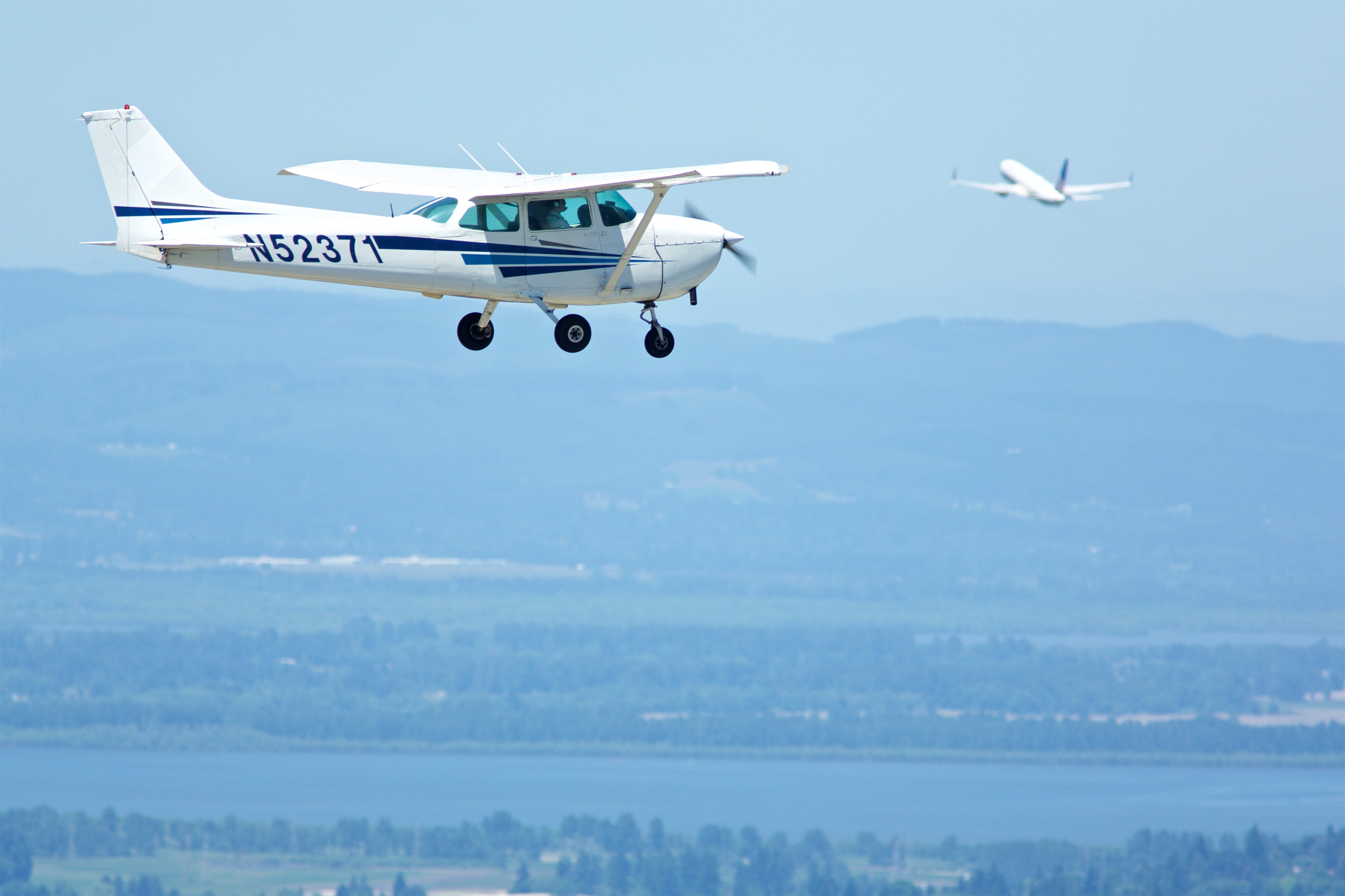
Understanding pass rates gives you a clearer picture of the challenges ahead. Let's look at the most recent FAA data.
Knowledge Test Performance
The FAA administers written knowledge tests as the first major exam in the pilot certification process. Here's what the 2024 FAA data shows:
- Private Pilot Airplane knowledge test pass rate: 91.90% (46,132 tests administered in 2024)
- Average test score: 82.89% (passing is 70%)
- Instrument Rating knowledge test pass rate: 94.24%
- Commercial Pilot knowledge test pass rate: 99.27%
The Private Pilot test has the lowest pass rate among initial certifications, likely because it's the first major academic hurdle. Students who make it to commercial and ATP levels are already well-filtered by earlier stages.
Practical Checkride Pass Rates
The practical test (checkride) is where things get harder. According to MockCheckride's analysis of 2024 FAA data, the overall practical exam pass rate was approximately 79% in recent years.
Breaking it down by certificate type:
- Private Pilot checkride: 74.5% pass rate (meaning 25.5% fail on first attempt)
- Instrument Rating: ~80% pass rate
- Commercial Pilot: ~80% pass rate
- Flight Instructor (CFI): 76.1% pass rate
The Private Pilot checkride has the highest failure rate among initial certifications. This represents a concerning trend. Industry analysts suggest that rapid instructor turnover and inexperienced CFIs may be contributing to declining checkride performance.
Flight training organizations report an 86% first-time checkride pass rate for their students, while designated pilot examiners report 76%. This gap suggests that schools may be overly optimistic about their students' readiness, or that examiners apply stricter standards than internal evaluations.
The Pilot Shortage: Why Success Rates Matter More Than Ever
Here's the irony. The aviation industry desperately needs pilots, yet training programs lose most students before they complete certification. Let's talk about why closing this gap matters.
According to Boeing's 2025 Pilot and Technician Outlook, the industry will need 660,000 new pilots globally between 2025 and 2044. North America alone requires 119,000 new commercial pilots during that period.
The pilot shortage isn't slowing down. Airlines are hiring aggressively. ATP Flight School reports that major airlines increased hiring to maximum capacity in late 2025, running weekly new-hire classes totaling a combined 500 pilots per month. American Airlines plans to hire approximately 1,500 pilots in 2026. United Airlines is targeting near-record hiring of 2,500 pilots. Delta Air Lines plans roughly 600 hires in Q1 2026 alone.
This demand creates incredible career opportunities for newly certified pilots. Regional airlines are offering signing bonuses, tuition reimbursement, and faster upgrade timelines to captain positions. Major airlines are expanding cadet programs that provide structured pathways from flight school to airline cockpit.
But here's the problem. If 80% of students drop out before earning their private pilot certificate, we'll never produce enough pilots to meet demand. Reducing washout rates by just 10% through better screening and support could add 500 certificated pilots annually without expanding physical infrastructure, according to a 2023 Flight Safety International analysis.
The pilot shortage means your timing couldn't be better. But you need to complete training to take advantage of these opportunities. That's why choosing the right flight school and staying committed matters so much.
How to Improve Your Success Rate: Practical Tips
Now for the good news. You can dramatically improve your chances of success by making smart decisions before and during flight training. Here's how.
1. Complete Your Medical Certificate Early
About 5% of washouts occur because students discover late in training that they don't qualify for an FAA medical certificate. Don't let this be you. Complete your FAA medical exam before spending a single dollar on flight training.
The FAA requires at least a third-class medical for private pilot training. If you're planning a commercial pilot career, get a first-class medical from the start. If you have any medical conditions or take prescription medications, consult an Aviation Medical Examiner before beginning training. Learn more about aviation medicals here.
2. Create a Realistic Budget
Financial surprises kill dreams. Before starting training, create a budget that accounts for more than the minimum hours. Assume you'll need 60-70 hours for your private pilot certificate, not 40. Build in a 25% buffer for weather delays, maintenance issues, and additional training.
Explore financing options early. Some flight schools accept federal financial aid if they're affiliated with community colleges. Scholarships from organizations like AOPA, Women in Aviation International, and the EAA Ray Aviation Scholarship program can significantly reduce costs. Airlines are increasingly offering cadet programs with tuition reimbursement.
For detailed cost breakdowns, check out our guide on how much flight school costs.
3. Choose a Quality Flight School
Not all flight schools are created equal. High-quality aviation universities and professional flight academies that use experienced instructors and well-maintained aircraft report significantly lower dropout rates than average schools.
Look for schools that:
- Maintain newer, reliable aircraft
- Employ professional, career instructors (not just hour-builders)
- Provide structured curricula with clear progression milestones
- Offer student support systems and mentorship
- Have strong relationships with airlines and industry partners
Ask about instructor turnover rates. Ask about aircraft maintenance schedules. Ask about average training times and first-time checkride pass rates. Quality schools will answer these questions transparently.
4. Fly Consistently
Gaps between lessons kill progress. Students who fly once or twice a week retain skills and complete training faster than those who fly sporadically. Weather and scheduling issues will cause some gaps, but minimize them as much as possible.
If you can't commit to regular training right now, wait until your schedule allows consistency. Starting and stopping repeatedly extends your timeline, increases costs, and dramatically increases dropout risk.
5. Build Your Aviation Community
Students with peer support complete training at higher rates than isolated students. Join aviation organizations like the Aircraft Owners and Pilots Association. Attend local EAA chapter meetings. Connect with other student pilots. Find a mentor who recently completed training.
Having someone to talk to when training gets tough makes all the difference. They'll remind you that everyone struggles with crosswind landings at first. They'll reassure you that checkride nerves are normal. They'll celebrate your solo flight with you. Community matters.
6. Embrace Ground School
Many students skip or minimize ground school because they're eager to fly. This is a mistake. Strong theoretical knowledge makes flight training easier, faster, and safer. Students who thoroughly understand aerodynamics, weather, and regulations progress through flight lessons more efficiently.
Take ground school seriously. Ask questions. Study the material beyond the knowledge test. The time you invest in ground school will reduce the flight hours you need, ultimately saving you money.
7. Speak Up When Something Isn't Working
If your instructor isn't a good fit, change instructors. If you don't understand something, ask questions. If you need extra time on a particular maneuver, communicate that clearly.
Too many students stay silent when they're struggling, either from embarrassment or fear of appearing incapable. Flight schools want you to succeed. They'll work with you if you communicate openly. Suffering in silence leads to dropout.
Success Stories: What High-Performing Students Do Differently
Let's talk about the 20-50% who succeed. What sets them apart?
The EAA Ray Aviation Scholarship program provides compelling data. Students who receive Ray Scholarships complete training at an 80% rate, nearly the exact inverse of the general population's 80% dropout rate. Why? The program combines financial support with mentorship from experienced pilots in local EAA chapters.
This proves that success isn't just about money. It's about support, accountability, and guidance. Ray Scholars have someone checking in on their progress, celebrating their milestones, and encouraging them through challenges.
Successful students also share these characteristics:
They treat flight training like a job, not a hobby. They show up prepared. They study between lessons. They take it seriously.
They're proactive problem-solvers. When they hit a plateau, they seek additional resources. They ask for extra practice in weak areas. They don't wait for solutions to come to them.
They manage their expectations. They understand that learning to fly is hard. They expect setbacks. They don't quit after a bad flight or a failed checkride attempt.
They choose quality over convenience. They're willing to drive farther or pay slightly more for better instruction and better aircraft. They understand that the cheapest option often costs more in the long run.
They stay focused on the goal. They remember why they started. Whether it's a childhood dream of flying or a practical career goal, they keep that vision clear when motivation dips.
For more inspiration, read about perseverance in flight training and how other students overcame challenges.
The Career Path: What Comes After Your Private Pilot Certificate
.jpg?width=2048&height=1362&name=001%20In-Flight%20Training%20Ryan%20Mohammed%20(3).jpg)
Let's say you beat the odds and earn your private pilot certificate. What's next if you're pursuing a professional pilot career?
Here's the typical progression:
- Private Pilot Certificate (50-70 hours)
- Instrument Rating (additional 50-70 hours)
- Commercial Pilot Certificate (total 250 hours for Part 61)
- Flight Instructor Certificates (build hours to 1,500)
- Airline Transport Pilot Certificate (1,500 hours total)
Most pilots spend 2-3 years progressing from zero experience to airline-ready. During that time, many work as flight instructors to build hours while earning income. It's a long path, but the career rewards are substantial.
Regional airlines typically hire pilots with 1,500 hours (or 1,000-1,250 for Restricted ATP-qualified pilots from approved university programs). After gaining experience at a regional carrier, pilots can move to major airlines.
The timeline varies based on how quickly you build hours and complete ratings. Full-time students in accelerated programs may complete training faster. Part-time students juggling work or school will take longer.
Want to understand the full career progression? Check out our comprehensive guide on the pilot career path.
FAQs About Pilot Training Success Rates
What percentage of student pilots fail to complete their training?
Research shows that 20-30% of students enrolled in private pilot programs fail to complete their certification. Some studies suggest dropout rates as high as 80% when accounting for students who start but never complete any formal training program. The most common reasons include financial barriers (40% of dropouts), skill acquisition difficulties (30%), and lack of motivation or resilience (20%).
How can I avoid failing pilot training?
Complete your FAA medical certificate before starting training to avoid late disqualification. Create a realistic budget with a 25% buffer above minimum costs. Choose a quality flight school with experienced instructors and well-maintained aircraft. Fly consistently (at least once or twice weekly) to retain skills. Build a support network through aviation organizations and mentorship programs. Take ground school seriously to build strong theoretical foundations.
Do most people drop out of flight school after their first solo?
Historically, solo flight was a major dropout point due to psychological pressure. However, recent data suggests post-solo dropout has decreased. Students who successfully complete their first solo have already overcome the most acute psychological barrier. Instead, dropout has become more distributed across the training timeline, with financial exhaustion around 30-40 hours becoming the more common quit point.
What is the success rate at ATP Flight School compared to other schools?
ATP Flight School is a major flight training provider, but we cannot make specific claims about their success rates compared to Hillsboro Aero Academy or other schools. Success rates vary widely based on student commitment, financial resources, instructor quality, and program structure. When evaluating any flight school, ask about average training times, first-time checkride pass rates, instructor turnover rates, and aircraft maintenance standards rather than focusing solely on one provider's marketing claims.
Why do student pilot certificates decline even during a pilot shortage?
Student pilot certificate issuances declined 12% in 2024 for the first time since 2016, according to FAA data. This occurred despite the pilot shortage because airline hiring moderated from the extraordinary 2022-2023 levels (from 12,000+ annual hires to approximately 4,800 in 2024). Prospective pilots responded rationally to reduced immediate hiring by delaying training investments. Additionally, rising training costs continue to create barriers for people from lower-income backgrounds and other countries where economic conditions limit access to expensive U.S. flight training.
What are the most common reasons pilots fail checkrides?
The most common reasons for checkride failure include inadequate preparation in aeronautical knowledge, poor performance on critical maneuvers like stalls and emergency procedures, weak communication with air traffic control, and failure to demonstrate adequate decision-making during scenario-based questions. Some examiner reports note that applicants with prolonged training histories or those who required excessive additional training beyond minimums are more likely to fail, suggesting that simply accumulating hours doesn't guarantee readiness. Quality instruction matters more than flight time quantity.
How does instructor quality affect student success rates?
Instructor quality is one of the top three factors affecting student pilot retention. Approximately 50% of certified flight instructors have tenure under two years because most view instruction as a temporary stepping stone to airline careers. When instructors leave mid-training, students must start over with replacement instructors who may have different standards and teaching methods. Some students are forced to repeat lessons they've already completed. Schools employing professional, career instructors report significantly lower dropout rates than schools with high instructor turnover.
Can you become a pilot if you fail ground school tests?
Yes, but you must pass eventually. The FAA Private Pilot knowledge test has a 91.90% pass rate, meaning about 8% of test-takers fail on their first attempt. You can retake the exam after additional study. However, repeated failures often indicate gaps in theoretical understanding that will create problems during flight training. Students who struggle with knowledge tests should invest additional time in ground school and consider working with a different instructor or using alternative study methods before retaking the exam.
How do people drop out if there's such a high demand for pilots?
The pilot shortage creates demand for qualified, certificated pilots. It doesn't eliminate the barriers preventing students from completing training. Financial constraints, poor instruction, fear, aircraft quality issues, and lack of support systems still cause most students to drop out before certification. The shortage makes completing training more valuable than ever, but it doesn't make the training process itself any easier. This is why reducing washout rates through better screening, financial aid, mentorship programs, and quality instruction is critical to addressing the workforce shortage.
Disclaimer: This article presents a general overview of the field of aviation, including job opportunities within that field; it does not describe the educational objectives or expected employment outcomes of a particular Hillsboro Aero Academy program. Hillsboro Aero Academy does not guarantee that students will obtain employment or any particular job. Some positions may require licensure or other certifications. We encourage you to research the requirements for the particular career you desire.