
A constant speed propeller automatically adjusts its blade angle to maintain a steady engine RPM through most changes in airspeed, altitude, or power settings. However, this automatic adjustment only occurs within a specific operating window known as the governing range. Because the propeller's governor has a minimum RPM required to function, reducing the power setting below this governing range means the governor can no longer maintain that constant speed. When operating at these low power settings, any changes in power will directly result in a change in engine RPM. The system uses centrifugal force acting on rotating flyweights inside a governor to sense engine speed changes, then directs pressurized oil (275-340 PSI) to a hydraulic piston that physically rotates the propeller blades to the precise angle needed to keep your engine running at the pilot-selected RPM.
Key Takeaways
- Constant speed propellers deliver 12-15% better fuel efficiency and 25% improved climb performance compared to fixed-pitch propellers
- The governor uses centrifugal force on spinning flyweights to automatically sense when engine RPM drifts from your selected target
- Oil pressure changes controlled by a pilot valve move the propeller blades between fine pitch (takeoff) and coarse pitch (cruise)
Ready to master aircraft systems like constant speed propellers? Start your training with Hillsboro Aero Academy and learn from experienced instructors in our modern fleet.
The Problem Fixed-Pitch Propellers Can't Solve
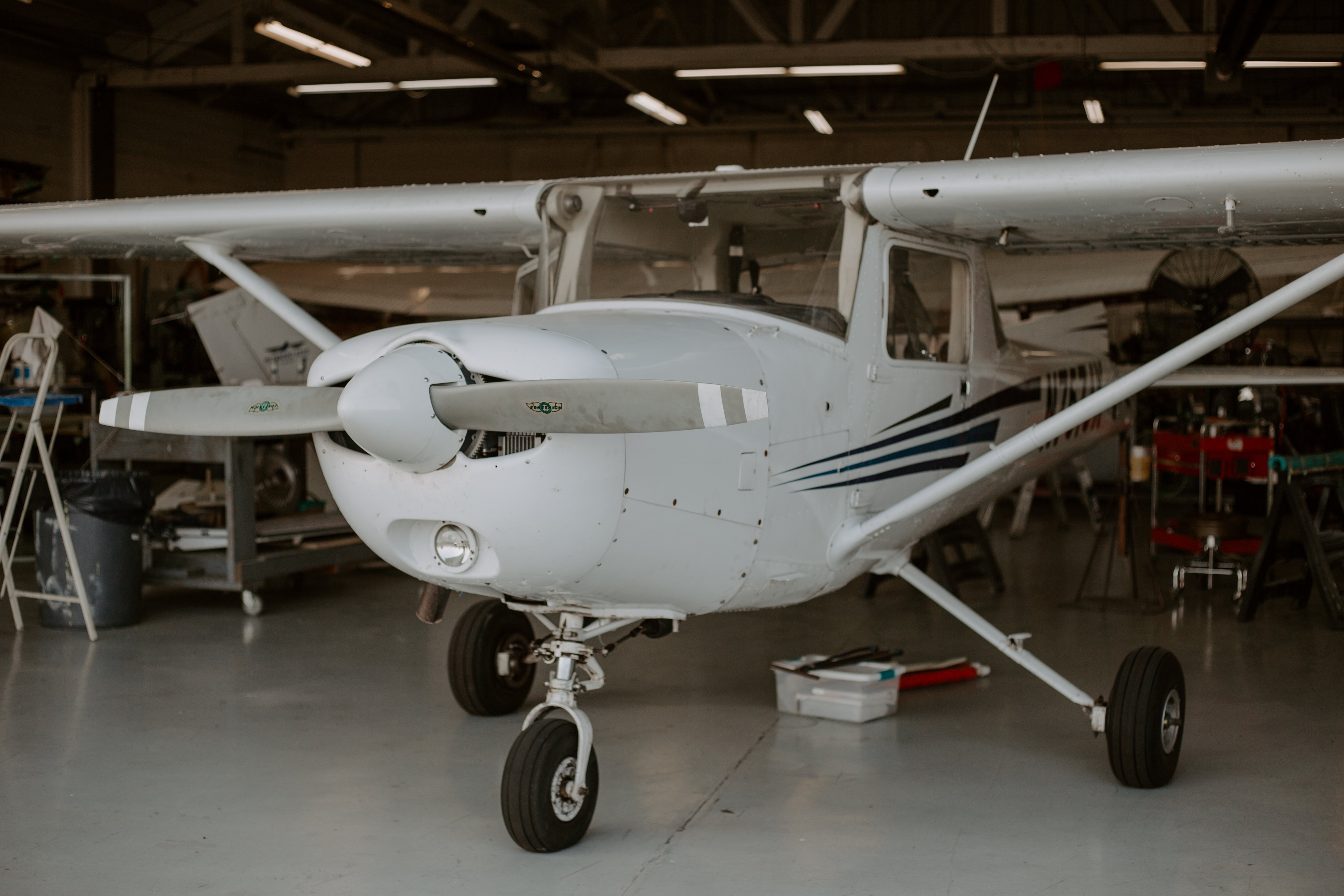
Fixed-pitch propellers force pilots into an uncomfortable compromise. A propeller optimized for takeoff performance spins the engine too fast during cruise, wasting fuel and wearing out components. A propeller designed for efficient cruise cannot convert engine power into thrust as effectively during takeoff, which severely limits climb performance. A propeller does not actually affect the engine's power output—which is a function of RPM and fuel burned over time—but rather dictates how efficiently that power is utilized at different speeds and RPM settings.
This limitation exists because propeller efficiency depends on the blade's angle of attack. During takeoff at low airspeeds, you need a shallow blade angle (fine pitch) to let the engine turn fast and develop maximum power. During high-speed cruise, a steep blade angle (coarse pitch) is utilized to maintain thrust efficiently. Rather than acting simply as a mechanism to prevent the engine from overspeeding, this variable blade pitch allows the propeller blade to maintain a more efficient aerodynamic angle of attack as the aircraft's forward airspeed increases.
Understanding how flight school works includes learning why constant speed propellers have become standard equipment on most training aircraft. While most primary training aircraft are equipped with fixed-pitch propellers because they are significantly cheaper to purchase and maintain, understanding how a constant speed propeller works is a crucial step as you advance in your flight training. When you transition into complex or high-performance aircraft for your commercial certificate, constant speed propellers become standard equipment, and their performance benefits easily justify the added mechanical complexity.
How the Governor Senses Engine Speed
The propeller governor acts as the brain of the constant speed system. It continuously monitors engine RPM and automatically adjusts blade pitch to maintain whatever speed you select with the propeller control lever.
The Flyweight Assembly
At the heart of the governor sits a set of rotating flyweights. These L-shaped weights spin with the engine through a mechanical connection to the crankshaft. As engine RPM increases, centrifugal force throws the flyweights outward. When RPM decreases, the flyweights swing inward under spring tension.
This elegant mechanical design requires no electronics or electrical power. The flyweights respond instantly to speed changes through pure physics, making the system inherently reliable even if your aircraft loses all electrical power.
The Speeder Spring
The speeder spring provides adjustable tension that opposes the centrifugal force on the flyweights. When you move the propeller control lever in the cockpit, you're actually adjusting how much tension this spring applies.
Pushing the prop lever forward increases pressure on the speeder spring, which pushes the flyweights into an under-speed condition. In order to return the flyweights to an on-speed equilibrium, the system decreases the blade pitch (moving to a finer pitch). This allows the engine RPM to increase without any adjustment to engine power settings. Conversely, pulling the lever back reduces spring tension, allowing the flyweights to move outward into an over-speed condition. The system corrects this by increasing the blade pitch (moving to a coarser pitch), which increases drag on the propeller and lowers the engine RPM until it balances at the new setting. This mechanical connection gives you direct control over your target RPM without any electronic intermediaries.
The Pilot Valve
The pilot valve translates flyweight position into hydraulic action. When the flyweights move, they push or pull this valve, which controls the direction of oil flow to the propeller hub.
The valve has three positions. In the center (on-speed) position, oil flow stops and the propeller holds steady. The exact way the pilot valve routes oil depends on the specific propeller design, particularly whether or not the propeller is equipped with counterweights. In many common non-counterweighted single-engine systems, an underspeed condition directs high-pressure oil into the propeller hub to decrease blade pitch, while an overspeed condition allows oil to drain, relying on an internal spring and aerodynamic twisting forces to increase the pitch. However, counterweighted propellers (often used on multi-engine aircraft) utilize oil pressure differently. Additionally, some propeller systems require active oil pressure from the governor to drive the blade pitch in both directions, rather than relying on oil draining to make the change.
According to the FAA Aviation Maintenance Technician Handbook, this self-regulating system has specific mechanical limitations. The text clarifies that the speeder spring's actual governing range is limited to a window of about 200 RPM. If flight conditions or power setting changes push the system beyond this 200 RPM range, the governor can no longer maintain the correct RPM.
The Three Operating Conditions
On-Speed Condition
When engine RPM exactly matches your selected target, the system enters equilibrium. Centrifugal force on the flyweights perfectly balances the speeder spring tension. The pilot valve sits centered, blocking oil flow in both directions.
The propeller blades hold their current angle. The governor makes only microscopic adjustments many times per second to maintain this balance, creating the illusion of perfectly constant RPM that pilots observe on the tachometer.
Underspeed Condition
An underspeed condition occurs when engine RPM drops below your target. This happens during climbs when increasing altitude reduces engine power, or when you reduce throttle without adjusting the propeller control.
As RPM decreases, centrifugal force on the flyweights weakens. The speeder spring overpowers the reduced centrifugal force and pushes the flyweights inward. This pulls the pilot valve down, opening ports that allow oil to flow out of the propeller hub back to the engine.
With less oil pressure, the propeller blades rotate toward a finer (lower) pitch angle. This reduces the aerodynamic load on the engine, allowing it to accelerate back to your target RPM. Once speed recovers, the flyweights swing back out and the pilot valve returns to center.
Overspeed Condition
An overspeed condition develops when the engine RPM climbs above your selected target. While a reduction in engine power is standard procedure before beginning a descent, if you were to pitch the nose down and increase airspeed without first reducing the throttle, the combination of gravity and reduced aerodynamic load on the blades would naturally cause the engine to speed up.
Higher RPM increases centrifugal force on the flyweights beyond what the speeder spring can restrain. The flyweights swing outward and lift the pilot valve up. This opens different ports that direct high-pressure oil from the governor pump into the propeller hub.
The increased oil pressure pushes the propeller blades toward a coarser (higher) pitch angle. The blades take a bigger bite of air, increasing drag and slowing the engine back to your target. When RPM stabilizes, centrifugal force balances spring tension again and the valve centers.
Oil Pressure and Hydraulic Control
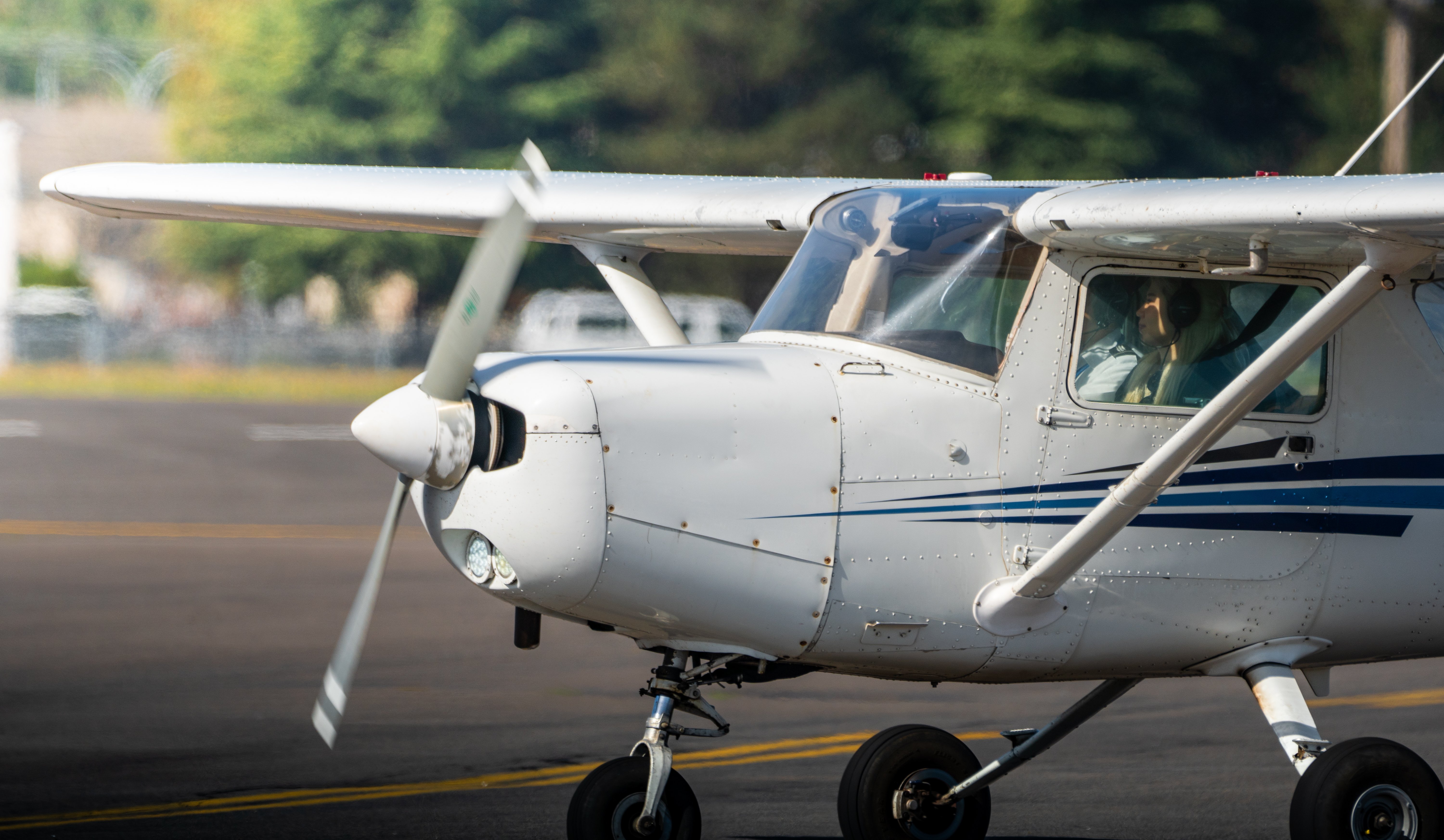
The governor uses engine oil as hydraulic fluid, but boosts its pressure significantly. Engines typically maintain 50-80 PSI for lubrication. The governor's internal gear pump increases this to 275-340 PSI, providing the force needed to rotate heavy propeller blades against aerodynamic and centrifugal forces.
This pressurized oil flows through passages in the hollow engine crankshaft to reach the propeller hub. Inside the hub, a piston mechanism converts oil pressure into blade rotation. When oil pressure increases, the piston moves forward and the blades rotate toward coarse pitch. When pressure decreases, internal springs push the piston back and the blades move toward fine pitch.
The fail-safe design matters for safety. On most single-engine aircraft, loss of oil pressure automatically moves the propeller to fine pitch and high RPM. This configuration maximizes available power if the governor fails, giving you the best chance to reach an airport safely.
Twin-engine aircraft reverse this logic. Their counterweighted propellers automatically move toward feather (very high pitch) when oil pressure drops. This prevents a windmilling propeller on a failed engine from creating excessive drag and control problems.
Performance Benefits You'll Actually Notice
Fuel Efficiency Gains
Constant speed propellers deliver 12-15% better fuel efficiency compared to fixed-pitch designs, according to market research data from 2024. This improvement comes from operating the engine at optimal RPM during cruise instead of accepting whatever speed a fixed propeller forces.
During a typical cross-country flight, you'll reduce RPM to 2,300-2,400 after reaching cruise altitude. The governor automatically increases blade pitch to maintain this lower speed. Your engine runs cooler, burns less fuel per mile, and experiences less wear on internal components.
Climb Performance
The climb performance advantage proves even more dramatic. At typical climb speeds around 80 knots, constant speed propellers deliver approximately 25% more power to the aircraft compared to fixed-pitch propellers.
This happens because the constant speed system adjusts pitch to keep the engine at its power peak throughout the climb. A fixed-pitch propeller can't maintain optimal engine speed as airspeed changes, forcing the engine away from its most efficient operating point.
For training aircraft making multiple touch-and-go landings, this translates to hundreds of feet per minute of additional climb rate. Your path to becoming an airplane pilot becomes safer when your training aircraft climbs faster and clears obstacles with greater margins.
Engine Longevity
Operating at reduced cruise RPM cuts engine stress significantly. Most piston aircraft engines cruise at 2,200-2,400 RPM with constant speed propellers instead of the 2,700 RPM they'd run with fixed-pitch propellers optimized for takeoff.
Lower RPM means reduced vibration, cooler operating temperatures, and less mechanical stress on bearings and cylinder assemblies. Many operators report reaching engine overhaul intervals with less internal wear when using constant speed propellers compared to fixed-pitch installations.
Modern Innovations in Propeller Technology
Composite Materials
Modern propeller manufacturers have shifted to carbon fiber and advanced composite construction. These materials reduce propeller weight by 30% compared to traditional aluminum blades while improving corrosion resistance and durability.
Hartzell Propeller reports that composite designs enable higher blade counts that reduce noise through lower tip speeds. A five or six-blade composite propeller can deliver the same thrust as a three-blade aluminum propeller while operating quieter and with less vibration.
Composite propellers can be repaired to their original profile if damaged. Conventional metal propellers require filing down damage, eventually forcing replacement when too much material has been removed.
Digital Governors
The propeller governor market is undergoing digital transformation. Strategic Market Research data from 2024 shows the market valued at $482.7 million in 2024 and projected to reach $719.4 million by 2030, driven largely by digital and electronic governor adoption.
Digital governors replace mechanical flyweights with electronic sensors and computerized control logic. They integrate with Full Authority Digital Engine Control (FADEC) systems, allowing single-lever power control where the computer manages both fuel flow and propeller pitch simultaneously.
These systems offer faster response times, more precise RPM control, and built-in diagnostics that alert pilots to degrading performance before failures occur. MT-Propeller introduced a field-installable digital retrofit governor in mid-2024 specifically for turboprop trainers, demonstrating how digital technology is reaching even existing aircraft fleets.
Anti-Icing Technology
Research from SINTEF in January 2025 introduced fluorine-free anti-icing coatings that delay ice formation by more than 4 hours at -5°C. These coatings work by creating hydrophobic surfaces where water beads up and rolls off before freezing can occur.
This technology matters for propeller reliability in instrument meteorological conditions. Ice accumulation on propeller blades causes imbalance, vibration, and potential structural damage. Advanced coatings reduce deicing system duty cycles and improve safety margins during flights through icing conditions.
How You'll Operate a Constant Speed Propeller
Takeoff Procedure
Before takeoff, push both the throttle and propeller control full forward. This positions the propeller at fine pitch and maximum RPM, allowing the engine to develop maximum power.
During the takeoff roll, the propeller will reach close to redline RPM (typically 2,700 RPM on training aircraft). This is normal and expected. As you accelerate and climb, the propeller unloads slightly and RPM naturally settles to redline or just below.
After clearing obstacles and establishing a climb, you'll typically reduce both power and RPM. Pull the throttle back first to reduce manifold pressure, then bring the propeller control back to climb power (usually 2,500 RPM). This sequence prevents shock-cooling your engine.
Cruise Operations
At cruise altitude, reduce RPM further to 2,200-2,400 RPM for most efficient operation. The governor automatically increases blade pitch to maintain this lower speed while you adjust throttle to achieve your desired cruise power setting.
The propeller control becomes a set-and-forget control during cruise. Once you've selected cruise RPM, the governor maintains that speed automatically while you manage power with the throttle alone.
Descent and Landing
Before beginning your descent, push the propeller control full forward back to high RPM. This accomplishes two goals. First, it ensures maximum power is immediately available if you need to execute a go-around. Second, it prevents overspeeding during the descent when reduced aerodynamic load naturally speeds up the engine.
The governor will automatically increase blade pitch during descent to prevent overspeed, maintaining your selected high RPM setting despite the descent profile.
Training Requirements for Constant Speed Operations
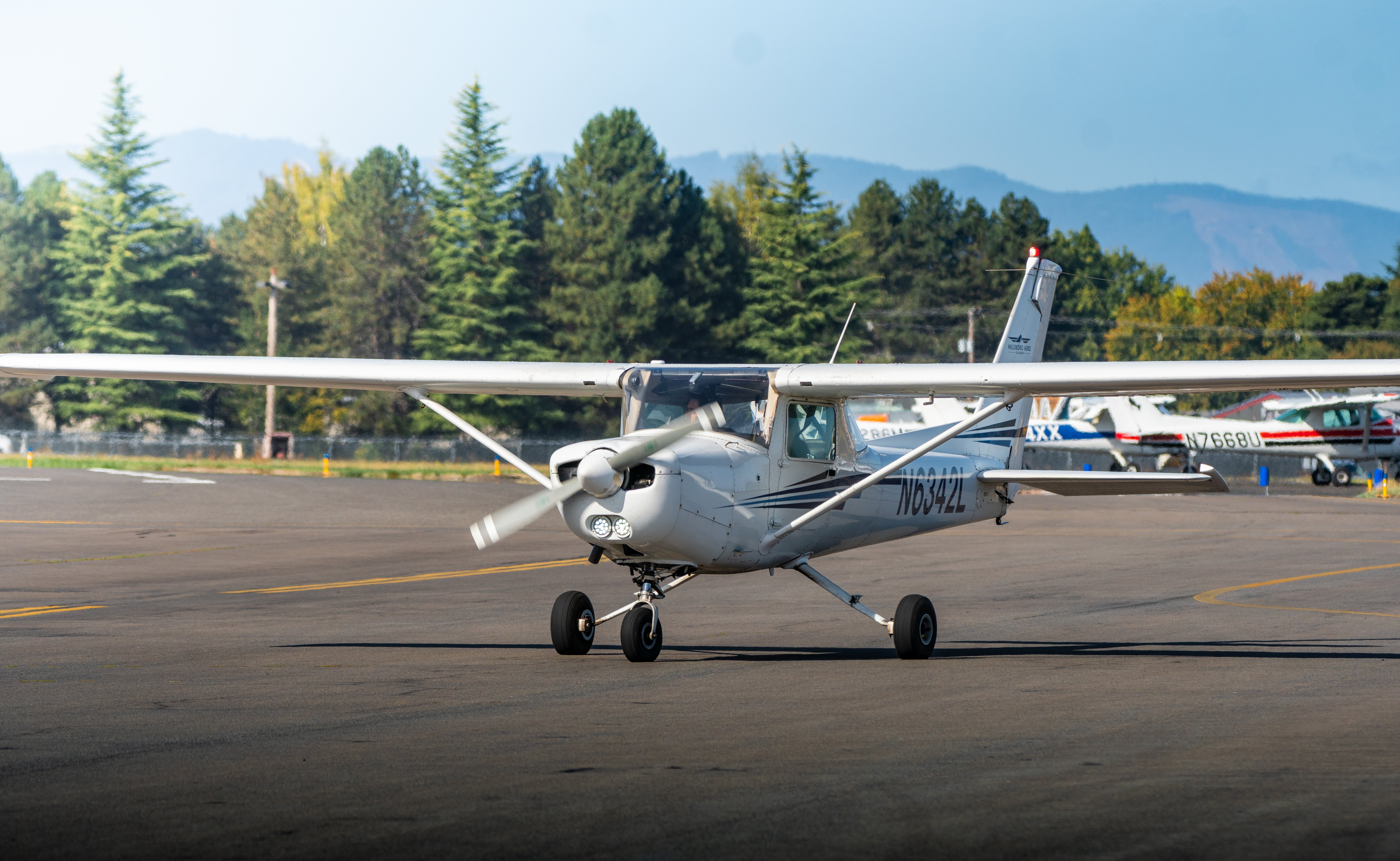
Operating aircraft equipped with constant speed propellers requires specific training and endorsements. Understanding the different types of pilot licenses helps clarify which certificates allow constant speed propeller operation.
Private pilots receive constant speed propeller training as part of their commercial pilot preparation when transitioning to complex aircraft. The training covers both ground instruction on propeller systems and flight practice coordinating propeller and throttle controls throughout the flight envelope.
The 2025 MOSAIC rule expanded access to constant speed propellers for sport pilots. Sport pilots can now operate aircraft with constant speed propellers after receiving appropriate training and an instructor endorsement, opening access to higher-performance aircraft like the Cessna 172 and similar trainers.
Comparing Part 61 and Part 141 training reveals different approaches to introducing constant speed propeller systems, with Part 141 schools often incorporating this training earlier in structured professional pilot programs.
Common Maintenance Considerations
Constant speed propellers require more maintenance than fixed-pitch designs. The governor typically requires overhaul every 1,500-2,000 flight hours, with costs varying based on manufacturer and model.
The most common maintenance issue involves contaminated engine oil. Metal particles from engine wear, sludge from infrequent oil changes, and moisture contamination all damage the governor's precision internal components. Maintaining clean oil and following manufacturer-recommended oil change intervals prevents most governor problems.
External oil leaks around the governor mounting or propeller hub indicate seal degradation requiring attention. Small external leaks often precede internal seal failures that compromise governor function, making early detection important.
RPM hunting (wandering up and down instead of holding steady) typically indicates worn flyweight bearings or pilot valve components. Professional inspection and potential governor overhaul resolves these issues before they progress to complete control loss.
The Future of Constant Speed Propeller Technology
The global aircraft propeller system market is expanding from approximately $397 million in 2024 to a projected $781.3 million by 2034, driven by fleet modernization and technology advancement. This growth reflects continued investment in propeller technology despite the rise of jet propulsion.
Electric aircraft development creates new opportunities for constant speed propeller optimization. Electric motors operate efficiently across broader RPM ranges than piston engines, but constant speed control still improves efficiency by optimizing motor electrical loading and thermal management across the flight envelope.
The integration of propeller governors into broader engine health monitoring systems represents another emerging trend. Smart governors equipped with sensors can track control response times, pressure characteristics, and pitch behavior, alerting maintenance personnel to degrading performance before failures occur.
Why Understanding This System Matters
Whether you're training for your private pilot certificate or planning a professional aviation career, understanding constant speed propeller operation is essential. These systems equip the majority of training aircraft and nearly all professional aircraft you'll fly.
The elegance of the mechanical governor design demonstrates how aviation engineering solves complex problems with reliable, time-tested solutions. Centrifugal force, hydraulic pressure, and spring tension work together to maintain precise engine control without electronics or computers.
Modern innovations in materials, digital control, and integration with engine management systems continue advancing propeller technology. Yet the fundamental principles remain unchanged from the designs pioneered nearly a century ago, proving that elegant engineering endures.
At Hillsboro Aero Academy, our training aircraft are equipped with modern constant speed propeller systems that prepare you for professional aviation operations. You'll learn both the theory behind these systems and develop practical skills in managing propeller controls throughout every phase of flight.

Frequently Asked Questions About Constant Speed Propellers
What is the main advantage of a constant speed propeller over a fixed-pitch propeller?
Constant speed propellers deliver 12-15% better fuel efficiency and approximately 25% improved climb performance compared to fixed-pitch propellers. They automatically adjust blade angle to maintain optimal engine RPM across all flight conditions, eliminating the performance compromises inherent in fixed-pitch designs.
How does the governor know when to change propeller pitch?
The governor uses rotating flyweights that respond to centrifugal force. When engine RPM increases, centrifugal force throws the flyweights outward, triggering the pilot valve to increase blade pitch. When RPM decreases, the flyweights move inward under spring tension, triggering the valve to decrease pitch. This mechanical sensing requires no electronics or electrical power.
What happens if the constant speed propeller system fails?
On single-engine aircraft, the fail-safe design automatically moves the propeller to fine pitch (high RPM) if oil pressure is lost. This configuration maximizes available engine power, giving you the best chance to reach an airport safely. Twin-engine aircraft reverse this logic, with propellers automatically moving toward feather to minimize drag on a failed engine.
Do I need special training to operate a constant speed propeller?
Yes, operating aircraft with constant speed propellers requires specific training and endorsements. Private pilots typically receive this training during commercial pilot preparation when transitioning to complex aircraft. Sport pilots can now operate constant speed propeller aircraft after the 2025 MOSAIC rule, provided they complete appropriate training and receive an instructor endorsement.
How much oil pressure does a constant speed propeller system use?
The governor boosts normal engine oil pressure from 50-80 PSI to 275-340 PSI to operate the propeller pitch change mechanism. This high pressure provides the force needed to rotate the heavy propeller blades against aerodynamic loads and centrifugal forces.
Can constant speed propellers be used on electric aircraft?
Yes, constant speed propellers work exceptionally well with electric motors. Electric motors operate efficiently across broader RPM ranges than piston engines, but constant speed control still improves performance by optimizing motor electrical loading and thermal management throughout the flight envelope.
What does it mean when the propeller "hunts" or wanders in RPM?
RPM hunting indicates worn internal governor components, typically flyweight bearings or pilot valve surfaces. This condition requires professional inspection and potential governor overhaul. The system loses its ability to maintain precise control when internal clearances become excessive from wear.
How often does a constant speed propeller governor need maintenance?
Governors typically require overhaul every 1,500-2,000 flight hours or according to manufacturer specifications. Regular engine oil changes using clean oil represent the most important preventive maintenance, as contaminated oil causes the majority of premature governor failures.
Disclaimer: This article presents a general overview of the field of aviation, including job opportunities within that field; it does not describe the educational objectives or expected employment outcomes of a particular Hillsboro Aero Academy program. Hillsboro Aero Academy does not guarantee that students will obtain employment or any particular job. Some positions may require licensure or other certifications. We encourage you to research the requirements for the particular career you desire.